 សារព័ត៌មាន នគរវត្ត តែងតែនាំមុខគេជានិច្ច





យោធាថៃបានអះអាងជាបន្តបន្ទាប់ថា ប្រតិបត្តិការយោធារបស់ខ្លួនប្រឆាំងកម្ពុជាត្រូវបានធ្វើឡើងស្របតាមច្បាប់មនុស្សធម៌អន្តរជាតិ និងផ្តោតតែលើគោលដៅយោធាប៉ុណ្ណោះ ដោយគោរពគោលការណ៍ភាពចាំបាច់ និងសមាមាត្រ។ ប៉ុន្តែការអះអាងមួយមិនអាចក្លាយជាការពិតដោយសារតែវាត្រូវបាននិយាយម្តងហើយម្តងទៀតនោះទេ។ វាត្រូវតែផ្ទៀងផ្ទាត់ជាមួយនឹងអង្គហេតុ ភស្តុតាង ប្រភេទអាវុធដែលបានប្រើ ទីតាំងដែលត្រូវបានវាយប្រហារ និងផលប៉ះពាល់ជាក់ស្តែងទៅលើជនស៊ីវិល។
នៅពេលយើងពិនិត្យមើលផលវិបាកនៅលើទឹកដីកម្ពុជា សំណួរសំខាន់មួយត្រូវបានចោទឡើង៖ ប្រសិនបើគោលដៅទាំងអស់សុទ្ធតែជាគោលដៅយោធា តើហេតុអ្វីបានជាជនស៊ីវិល ផ្ទះសម្បែង ភូមិឋាន ទីតាំងសាសនា ហេដ្ឋារចនាសម្ព័ន្ធស៊ីវិល និងបេតិកភណ្ឌវប្បធម៌ ក្លាយជាជនរងគ្រោះនៃអាវុធផ្ទុះធុនធ្ងន់?
១. អង្គហេតុនៅលើដីមិនអាចត្រូវបានលុបចោលដោយសេចក្តីថ្លែងការណ៍
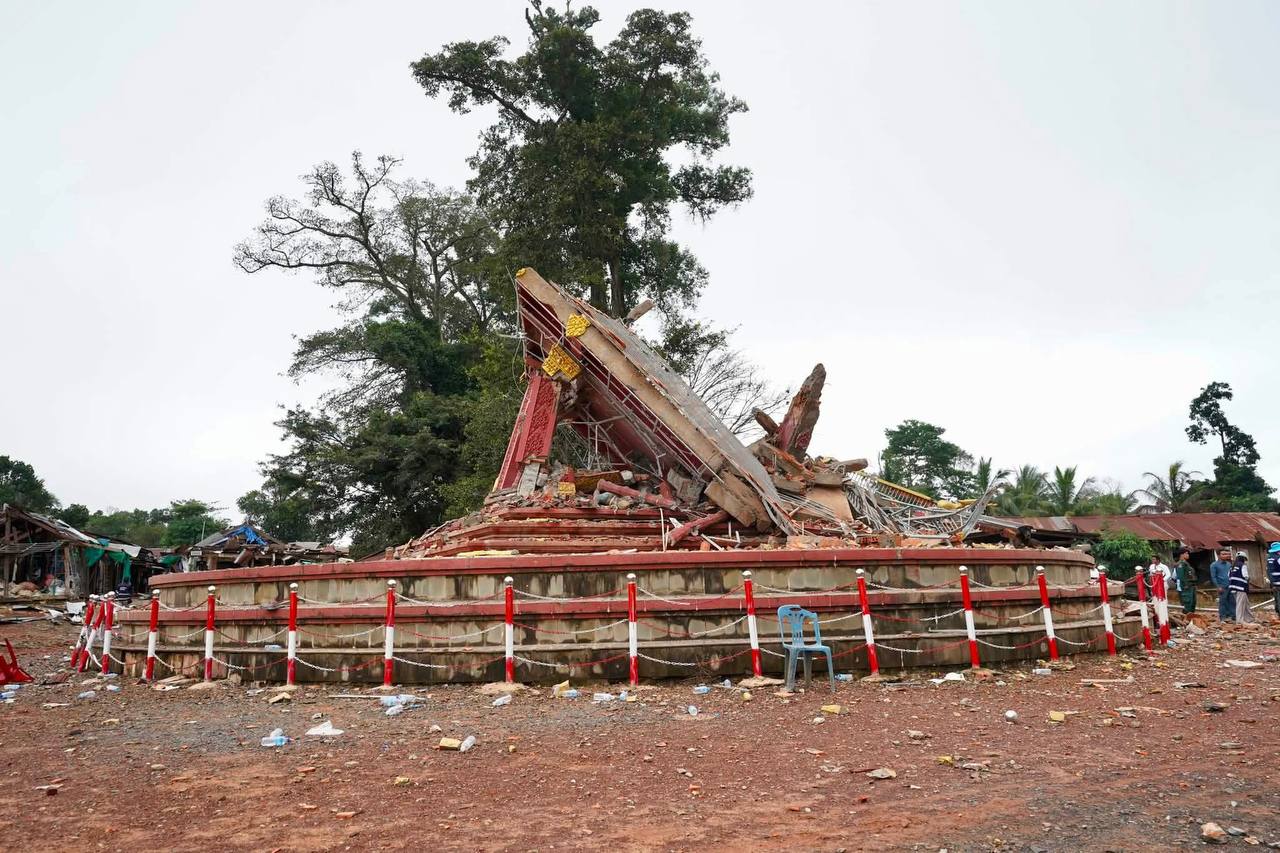
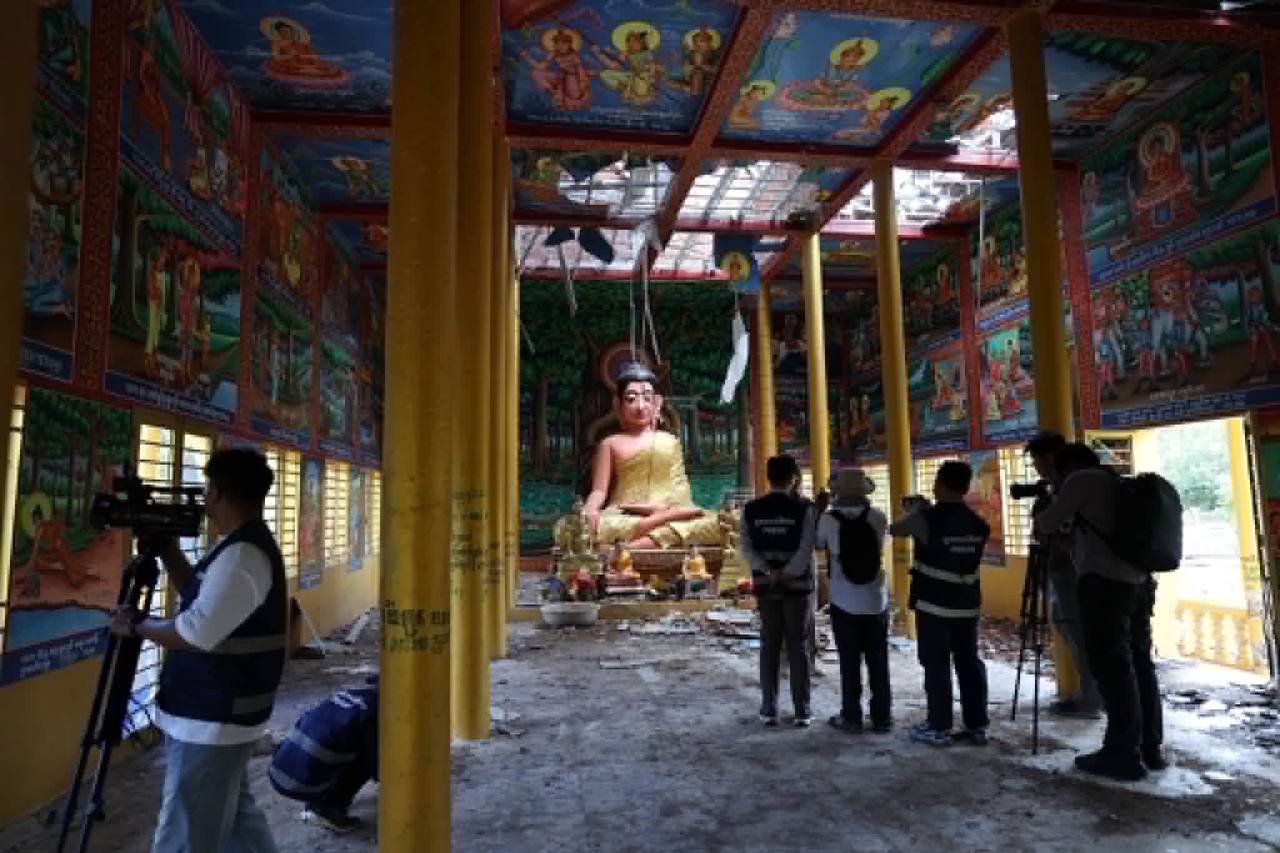
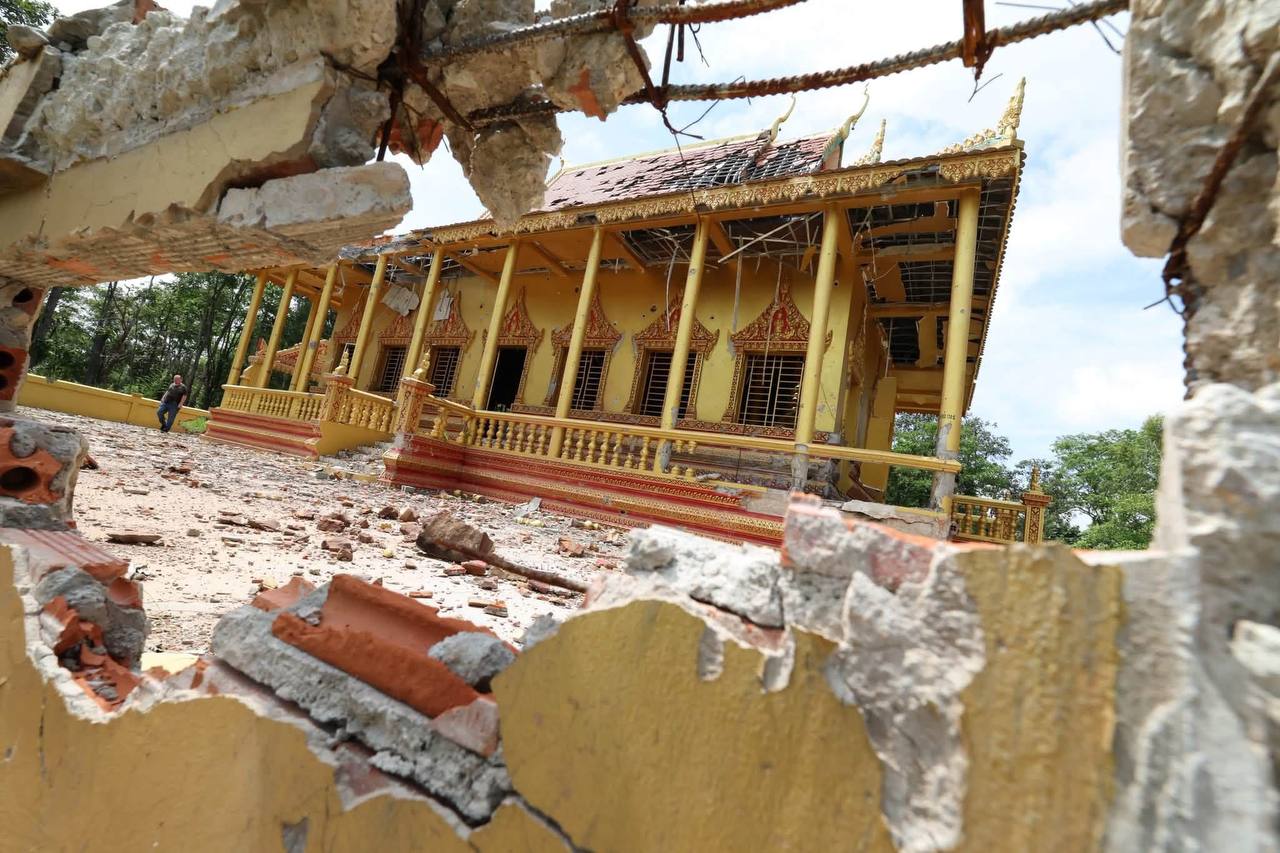
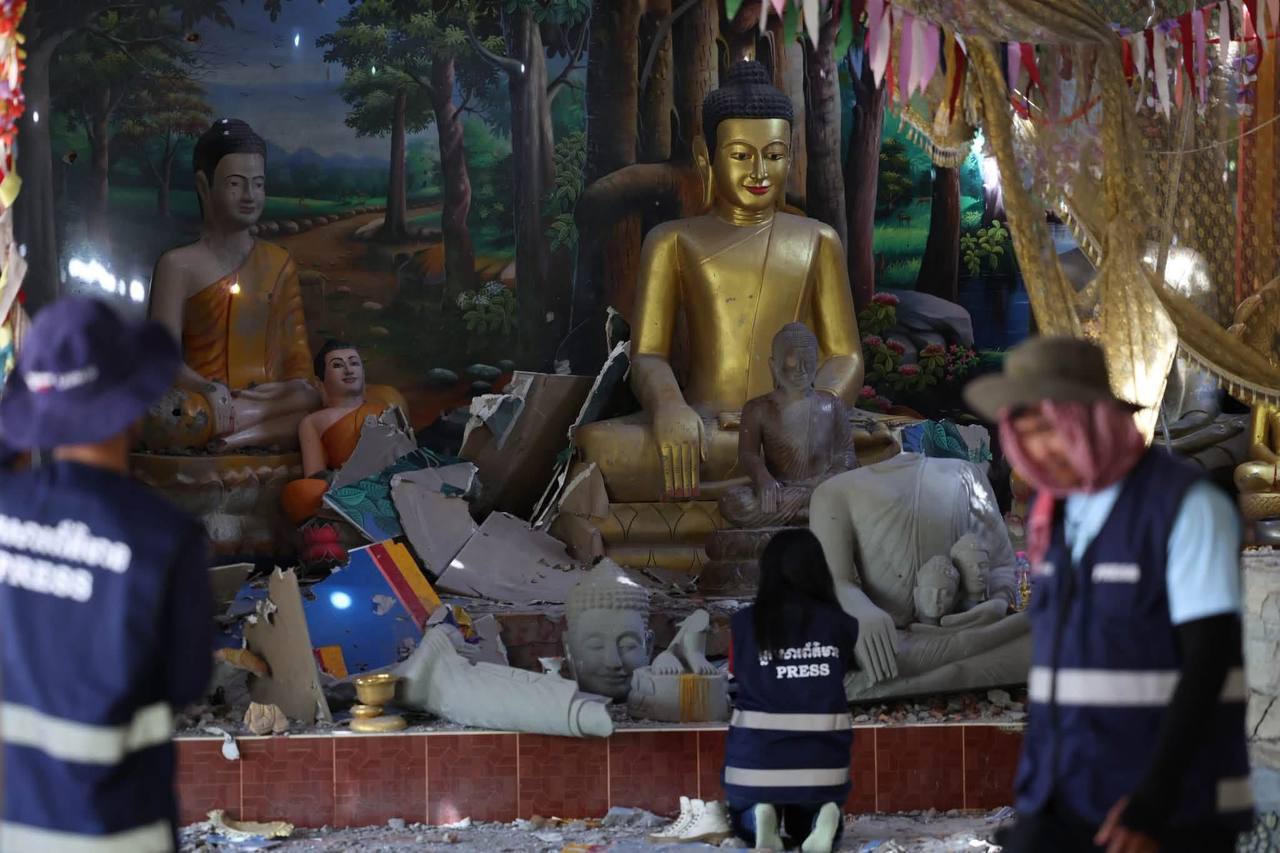
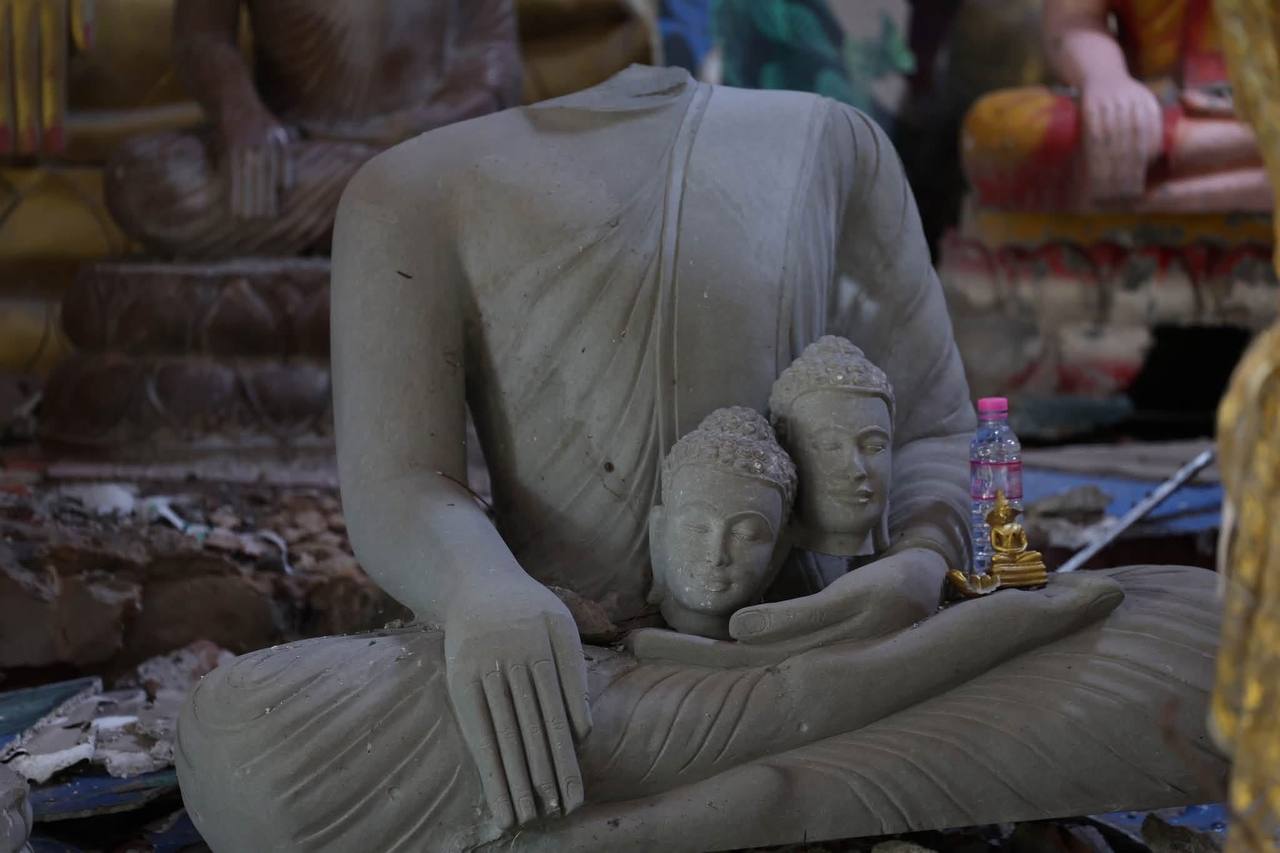
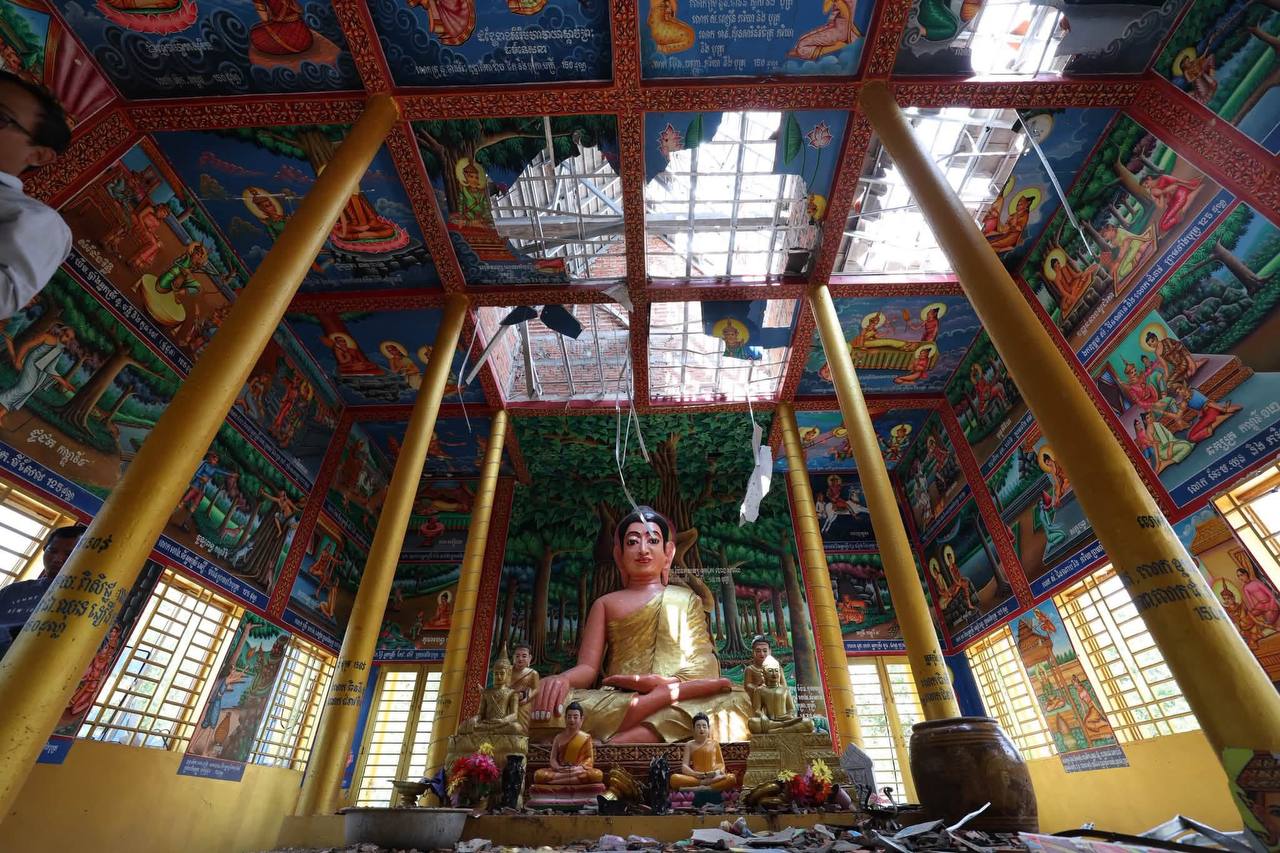
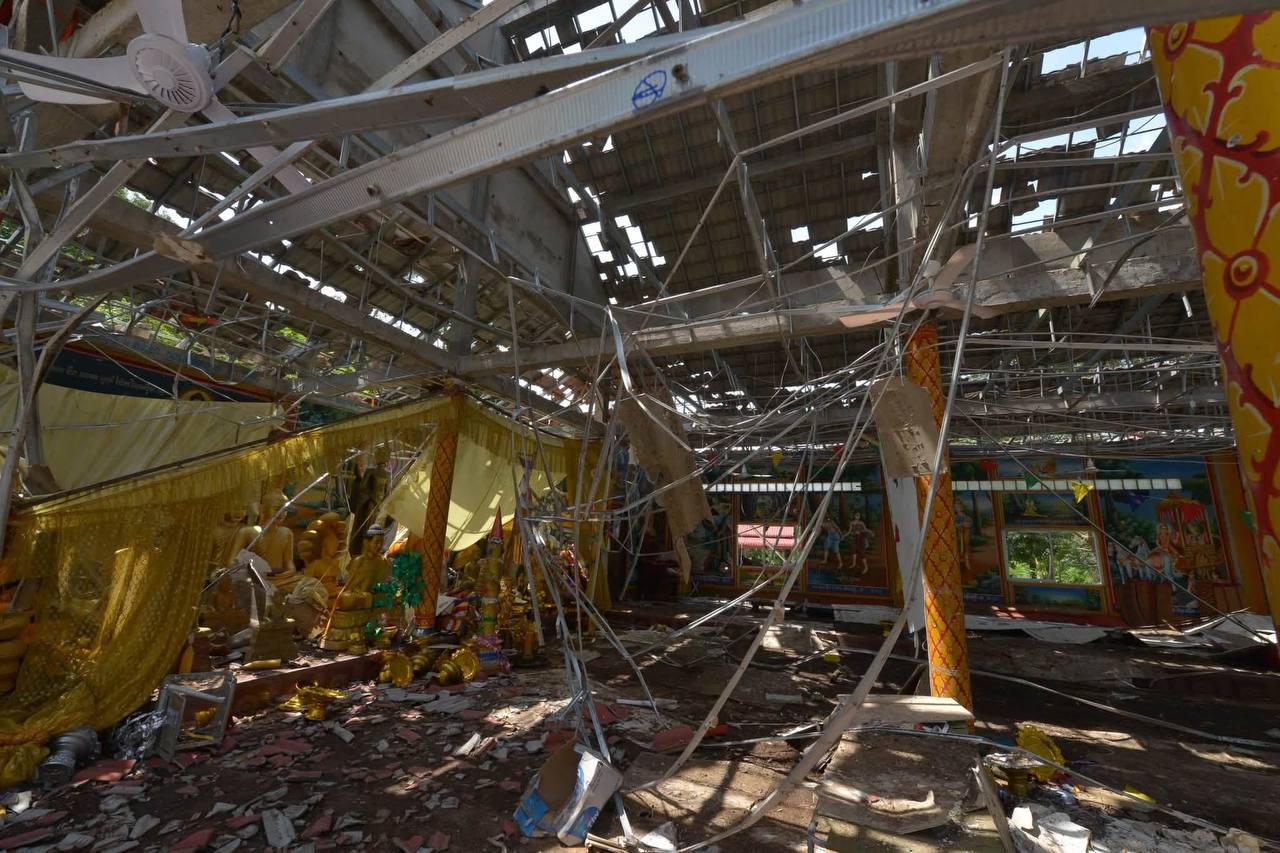
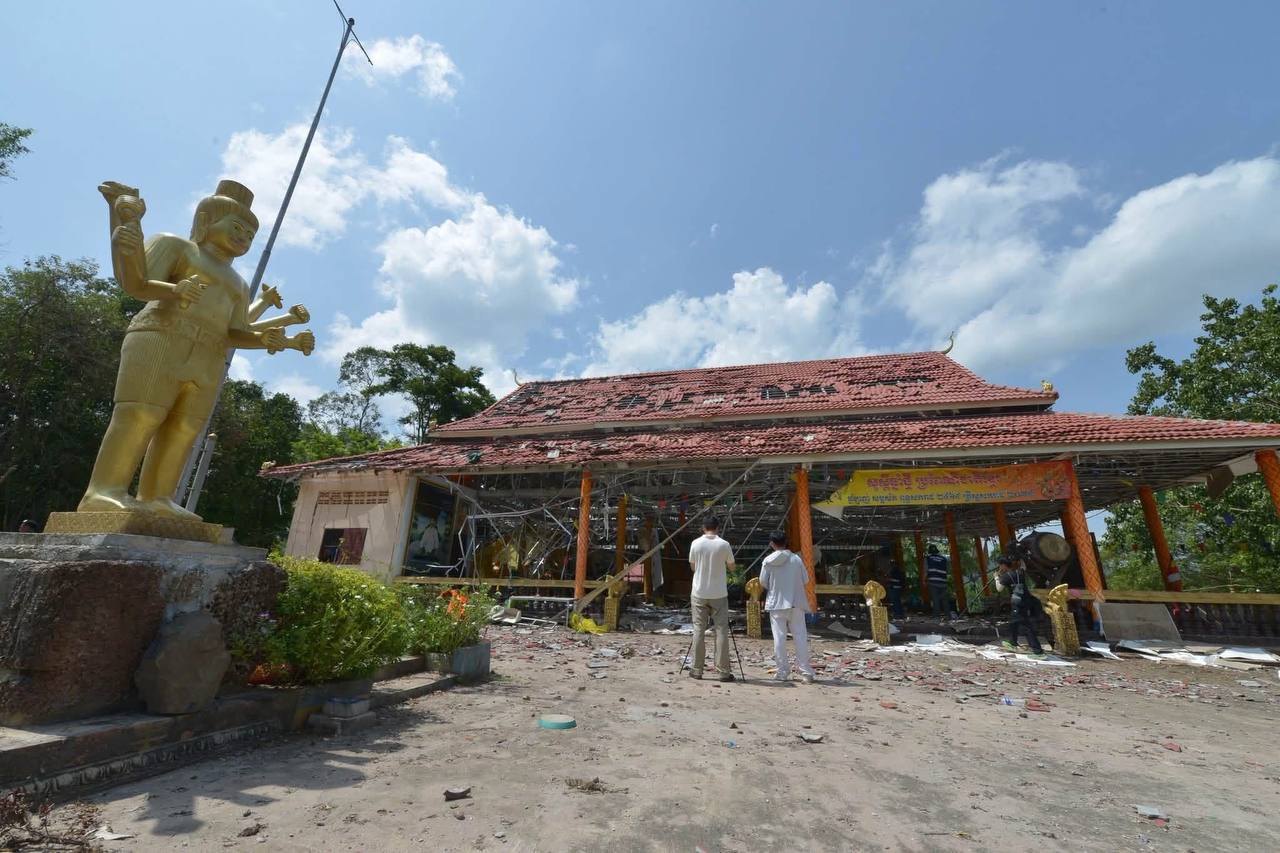
ក្នុងការឈ្លានពានទឹកដីកម្ពុជា ២ លើក គឺនៅខែកក្កដា និងនៅខែធ្នូ ឆ្នាំ២០២៥ កងកម្លាំងយោធាថៃបានប្រើយន្តហោះចម្បាំង F-16 ការវាយប្រហារតាមអាកាស កាំភ្លើងធំ និងគ្រាប់រ៉ុក្កែត។ អង្គការ Human Rights Watch បានកត់ត្រាថា ការប្រយុទ្ធបានបណ្តាលឱ្យជនស៊ីវិលស្លាប់និងរបួស ហើយបានផ្ទៀងផ្ទាត់តាមទីតាំងភូមិសាស្ត្រនូវរូបភាពដែលបង្ហាញពីការខូចខាតលើអគារ និងវត្តព្រះពុទ្ធសាសនានៅឃុំគោកមន ខេត្តឧត្តរមានជ័យ។
ក្នុងឯកសារផ្លូវការរបស់កម្ពុជាដាក់ជូនក្រុមប្រឹក្សាសន្តិសុខអង្គការសហប្រជាជាតិ កម្ពុជាបានរាយការណ៍ថា គ្រាប់បែកពីយន្តហោះ F-16 បានធ្លាក់ក្នុងបរិវេណវត្តតាមាន់សែនជ័យនៅថ្ងៃទី២៤ ខែកក្កដា ឆ្នាំ២០២៥ បណ្តាលឱ្យមានអ្នកបួសម្នាក់ស្លាប់ ហើយនៅថ្ងៃទី២៥ ខែកក្កដា ក៏មានការវាយប្រហារតាមអាកាសជាបន្តបន្ទាប់ រួមទាំងនៅតំបន់ប្រាសាទតាក្របី។
ដូច្នេះ ការវាយតម្លៃលើលក្ខណៈនៃការវាយប្រហារមិនអាចផ្អែកតែលើអ្វីដែលភាគីវាយប្រហារប្រកាសថាជា «គោលដៅយោធា» នោះទេ។ ត្រូវពិនិត្យថា តើគោលដៅនីមួយៗពិតជាគោលដៅយោធាដែរឬទេ? តើអាវុធដែលប្រើអាចកំណត់ផលប៉ះពាល់បានកម្រិតណា? តើមានការប្រុងប្រយ័ត្នដែលអាចធ្វើបានដើម្បីការពារជនស៊ីវិលដែរឬទេ? ហើយតើការខូចខាតដល់ជនស៊ីវិលអាចលើសពីអត្ថប្រយោជន៍យោធាជាក់ស្តែងដែលរំពឹងទុកដែរឬទេ?
២. F-16 កាំភ្លើងធំ និងអាវុធធុនធ្ងន់៖ ផលប៉ះពាល់មិនឈប់ត្រឹម «ចំណុចគោលដៅ»
បញ្ហាសំខាន់មិនមែនត្រឹមតែថា «អាវុធត្រូវបានបាញ់ទៅទីណា» ប៉ុណ្ណោះទេ ប៉ុន្តែថា តើអាវុធប្រភេទអ្វីត្រូវបានប្រើ នៅក្នុងបរិបទបែបណា និងមានផលប៉ះពាល់ក្នុងរង្វង់ធំប៉ុណ្ណា។ ផលវិបាកមិនមែនមានតែការស្លាប់និងរបួសភ្លាមៗទេ ប៉ុន្តែរួមមានការបំផ្លាញអគារ សេវាសុខាភិបាល ការអប់រំ ហេដ្ឋារចនាសម្ព័ន្ធ បេតិកភណ្ឌ និងការបង្ខំឱ្យប្រជាពលរដ្ឋភៀសខ្លួន។ នេះជាចំណុចសំខាន់ក្នុងការវាយតម្លៃការអះអាងថា «វាយតែគោលដៅយោធា»។ ការកំណត់គោលដៅយោធានៅលើផែនទី មិនមានន័យថាការប្រើអាវុធណាមួយប្រឆាំងគោលដៅនោះក្លាយជាស្របច្បាប់ដោយស្វ័យប្រវត្តិនោះទេ។
៣. គ្រាប់បែកចង្កោម៖ បញ្ហាដែលការអះអាងថា «វាយតែគោលដៅយោធា» ពិបាកពន្យល់
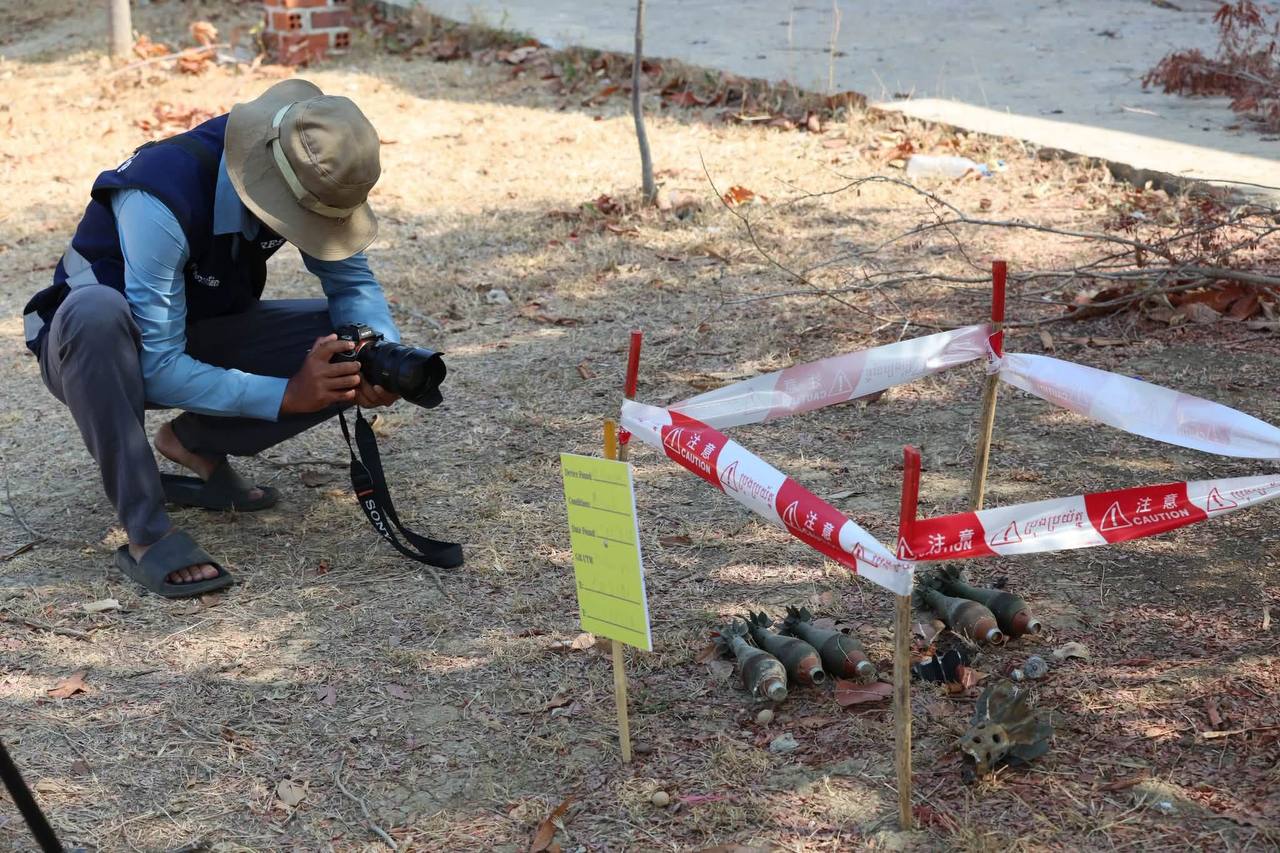
នៅខែកក្កដា ឆ្នាំ២០២៥ យោធាថៃបានបញ្ជាក់ថា ខ្លួនបានប្រើគ្រាប់បែកចង្កោមនៅពេលដែលខ្លួនចាត់ទុកថាចាំបាច់ប្រឆាំងនឹងគោលដៅយោធា។ Human Rights Watch បានកត់សម្គាល់ថា ការប្រើអាវុធប្រភេទនេះក្នុងតំបន់ដែលមានប្រជាជនរស់នៅ មានលក្ខណៈមិនរើសមុខដោយខុសច្បាប់។ លក្ខណៈរបស់គ្រាប់បែកចង្កោមធ្វើឱ្យបញ្ហានេះកាន់តែធ្ងន់។ អាវុធនេះអាចបញ្ចេញគ្រាប់តូចៗរាប់សិប ឬរាប់រយគ្រាប់លើផ្ទៃដីធំមួយ។ គ្រាប់តូចមួយចំនួនមិនផ្ទុះភ្លាមៗទេ ហើយអាចនៅសល់ដូចជាមីន បន្តគំរាមកំហែងប្រជាពលរដ្ឋក្រោយការប្រយុទ្ធបានបញ្ចប់ជាយូរមកហើយ។
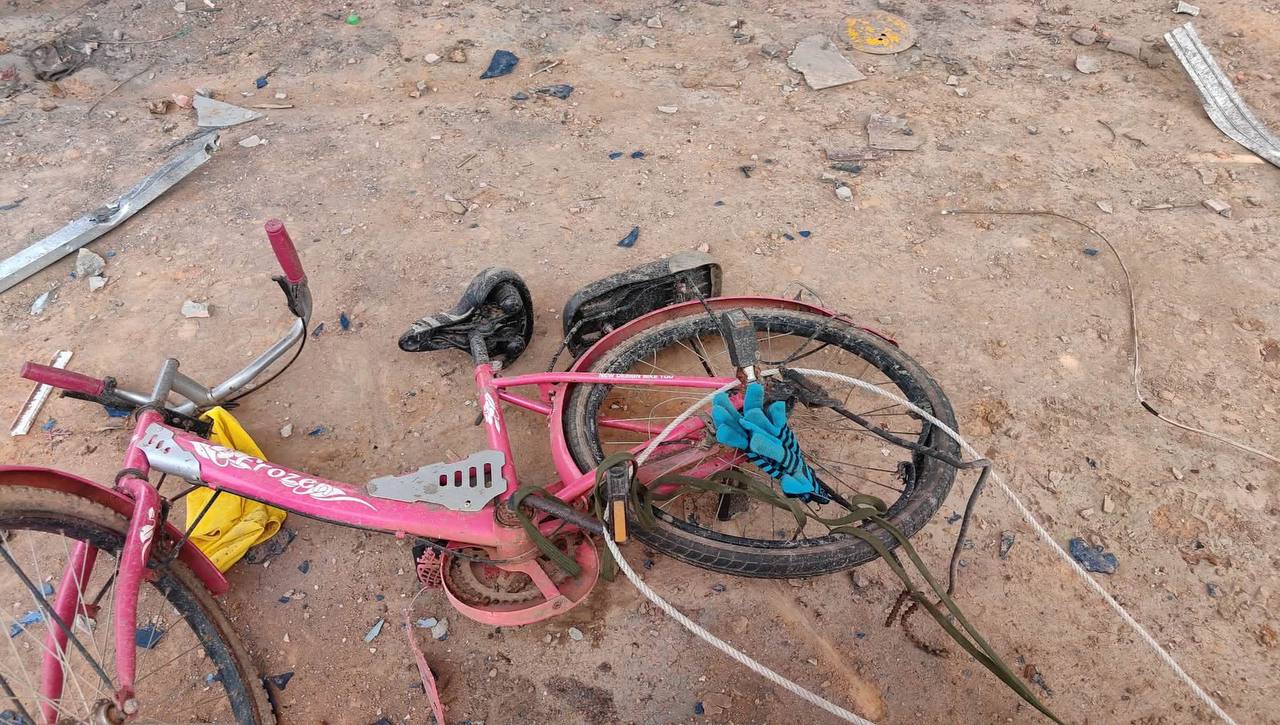
ករណីដ៏សោកសៅមួយបានកើតឡើងនៅថ្ងៃទី២៥ ខែតុលា ឆ្នាំ២០២៥ នៅខេត្តព្រះវិហារ។ កុមារា ស៊ឺន សុវណ្ណ អាយុ១០ឆ្នាំ បានស្លាប់ និងឪពុករបស់គាត់រងរបួសធ្ងន់ដោយសារការផ្ទុះមួយ។ មជ្ឈមណ្ឌលសកម្មភាពកម្ចាត់មីនកម្ពុជាបានកំណត់ថា វាជាគ្រាប់ M-85 មិនទាន់ផ្ទុះ ដែលត្រូវបានបាញ់ចូលកម្ពុជាក្នុងអំឡុងការប្រយុទ្ធខែកក្កដា ខណៈយោធាថៃបានបដិសេធការសន្និដ្ឋាននោះ។ Human Rights Watch បានអំពាវនាវឱ្យមានការស៊ើបអង្កេតដោយស្ថាប័នអន្តរជាតិឯករាជ្យ និងមានសមត្ថកិច្ច។
ករណីនេះបង្ហាញពីចំណុចមូលដ្ឋានមួយ៖ ផលប៉ះពាល់របស់គ្រាប់បែកចង្កោមមិនបញ្ចប់នៅពេលសំឡេងកាំភ្លើងស្ងប់ឡើយ។
៤. ខែធ្នូ ឆ្នាំ២០២៥៖ ទំហំការខូចខាតកាន់តែធ្ងន់
នៅពេលការឈ្លានពានបានផ្ទុះឡើងសាជាថ្មីក្នុងខែធ្នូ ឆ្នាំ២០២៥ ទំហំវិបត្តិមនុស្សធម៌បានកើនឡើងយ៉ាងខ្លាំង។ របាយការណ៍ Humanitarian Response Forum របស់អង្គការសហប្រជាជាតិ ចុះថ្ងៃទី២៧ ខែធ្នូ បានកត់ត្រាការប្រើកាំភ្លើងធំ យន្តហោះ F-16 និងដ្រូន រួមទាំងក្នុងនិងជុំវិញតំបន់ដែលមានប្រជាជនរស់នៅ។ ក្នុងការឈ្លានពានលើកទី២ នៅខែធ្នូ ប្រជាពលរដ្ឋប្រមាណ ៦៥០ ០០០នាក់ ត្រូវបានជម្លៀសក្នុងនោះមានស្ត្រី ៣៣៦ ៣០២ នាក់ និងកុមារ ២០៤ ៩៩២ នាក់។ នៅពេលនោះ មានសេចក្តីរាយការណ៍ពីជនស៊ីវិលស្លាប់ ៣២ នាក់ និងរបួស ៩៤ នាក់។
អង្គការសហប្រជាជាតិបានវាយតម្លៃនៅខែមេសា ឆ្នាំ២០២៦ ថា រលកនៃការភៀសខ្លួនលើកទីមួយក្នុងខែកក្កដា បានបង្ខំប្រជាពលរដ្ឋជាង ១៧២ ០០០ នាក់ចាកចេញពីលំនៅឋាន ខណៈការប្រយុទ្ធជាថ្មីក្នុងខែធ្នូបានបង្ករលកទីពីរដែលធំជាងមុនយ៉ាងខ្លាំង និងឡើងដល់ប្រមាណ ៦៥០ ០០០ នាក់នៅចុងខែធ្នូ។
៥. ផ្ទះសម្បែង និងហេដ្ឋារចនាសម្ព័ន្ធស៊ីវិលមិនមែនជាគោលដៅយោធាដោយស្វ័យប្រវត្តិ
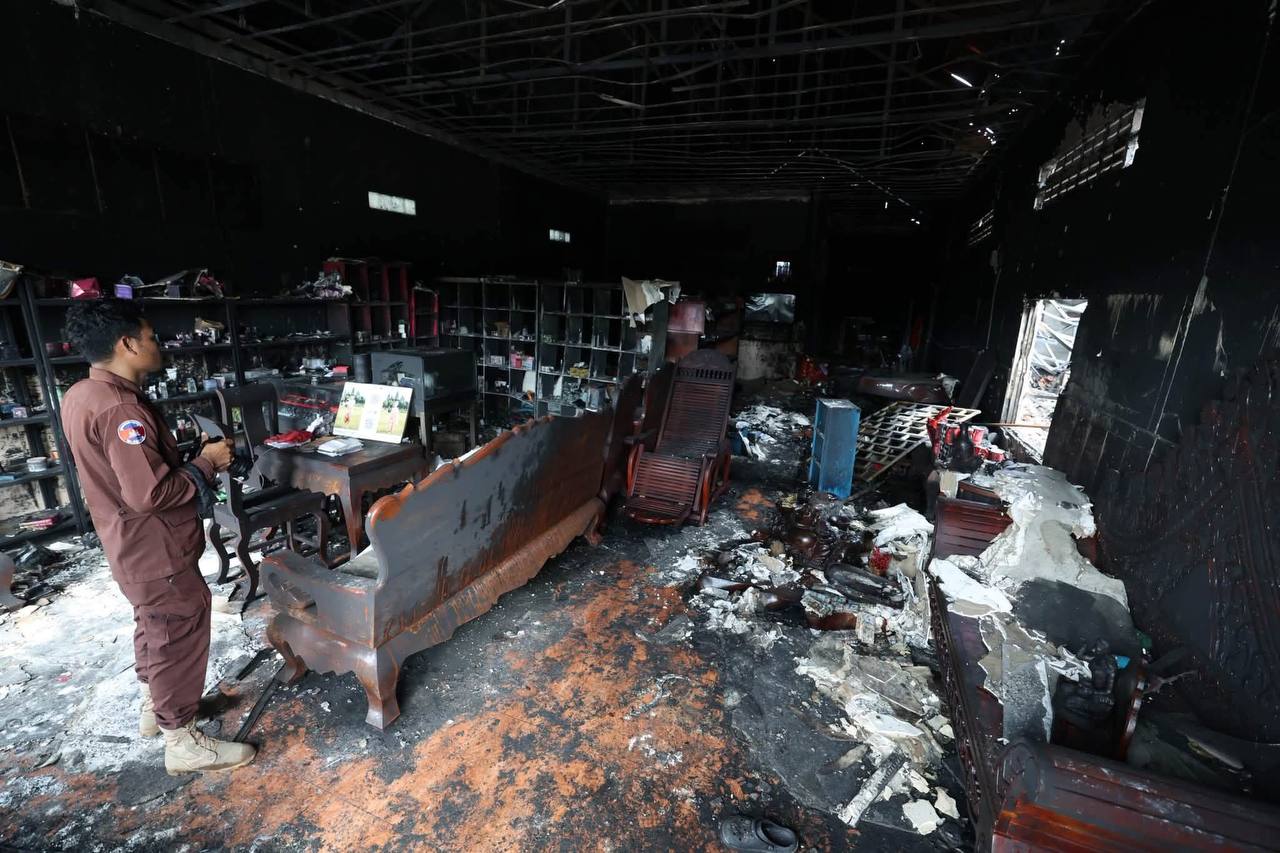
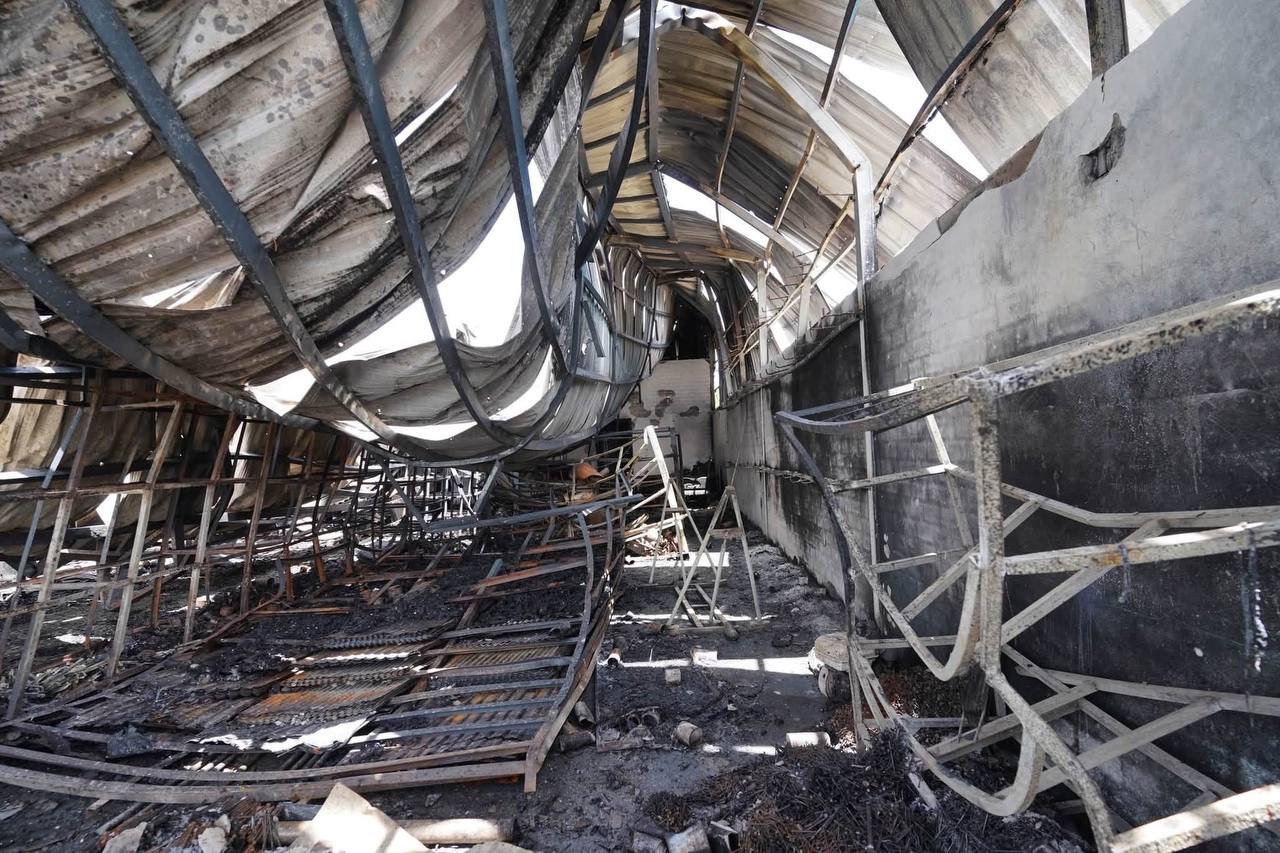
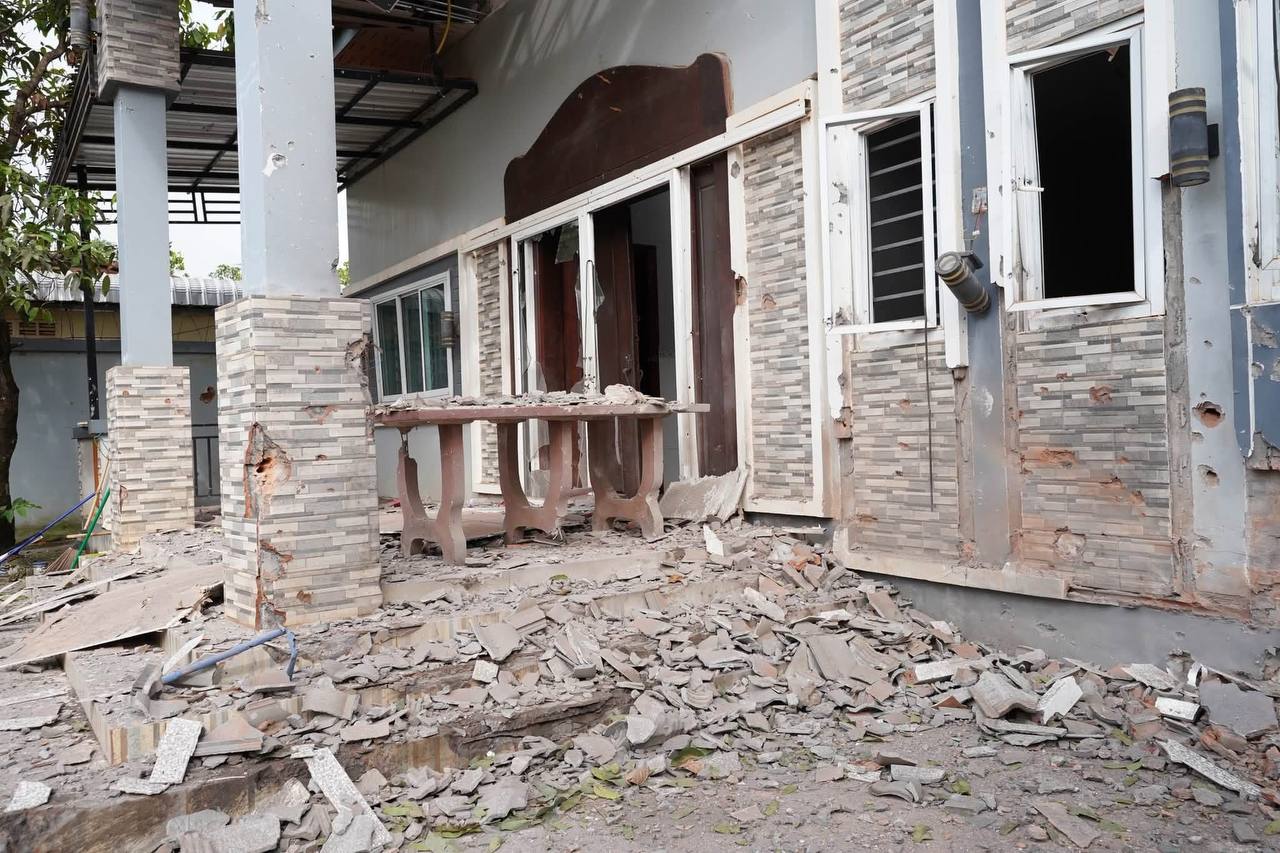
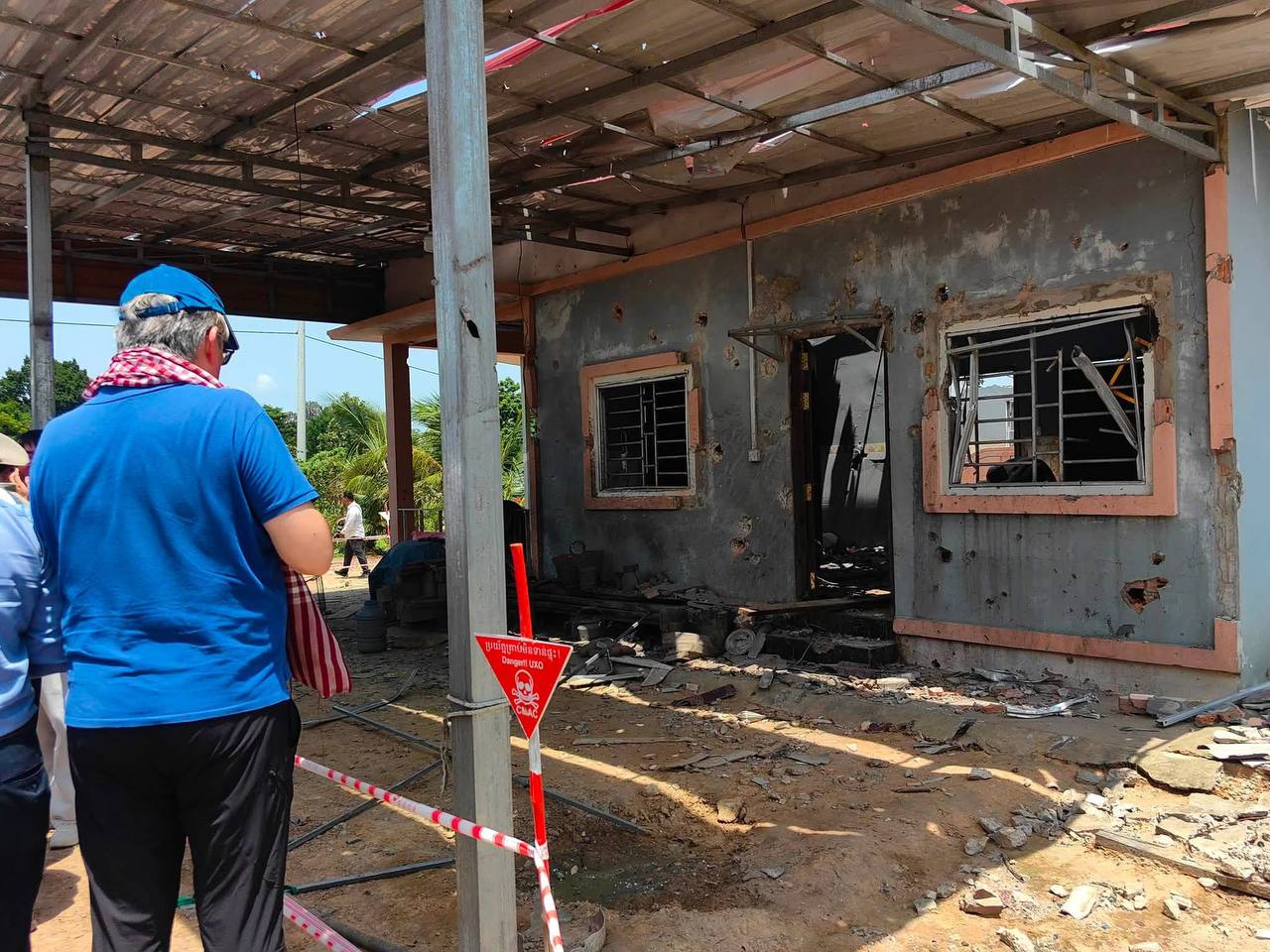
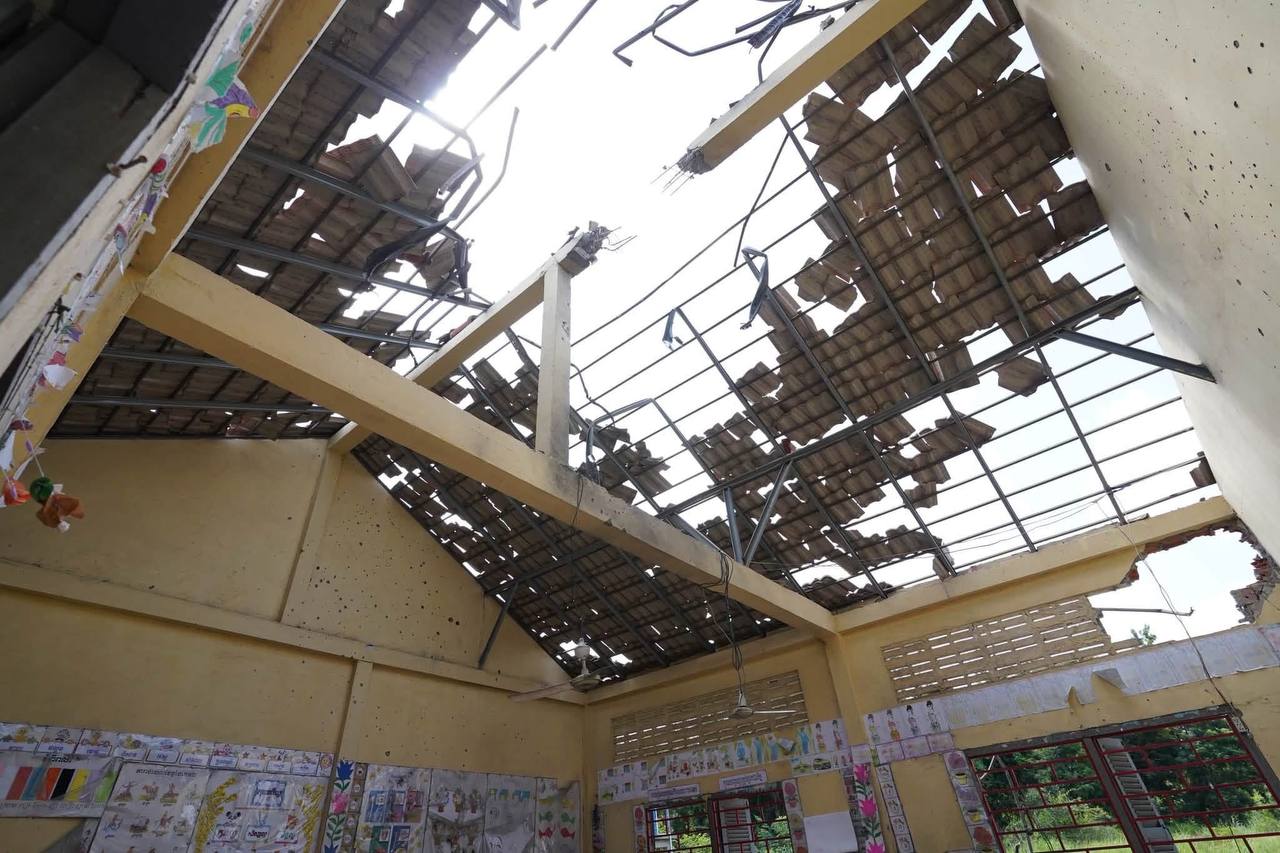
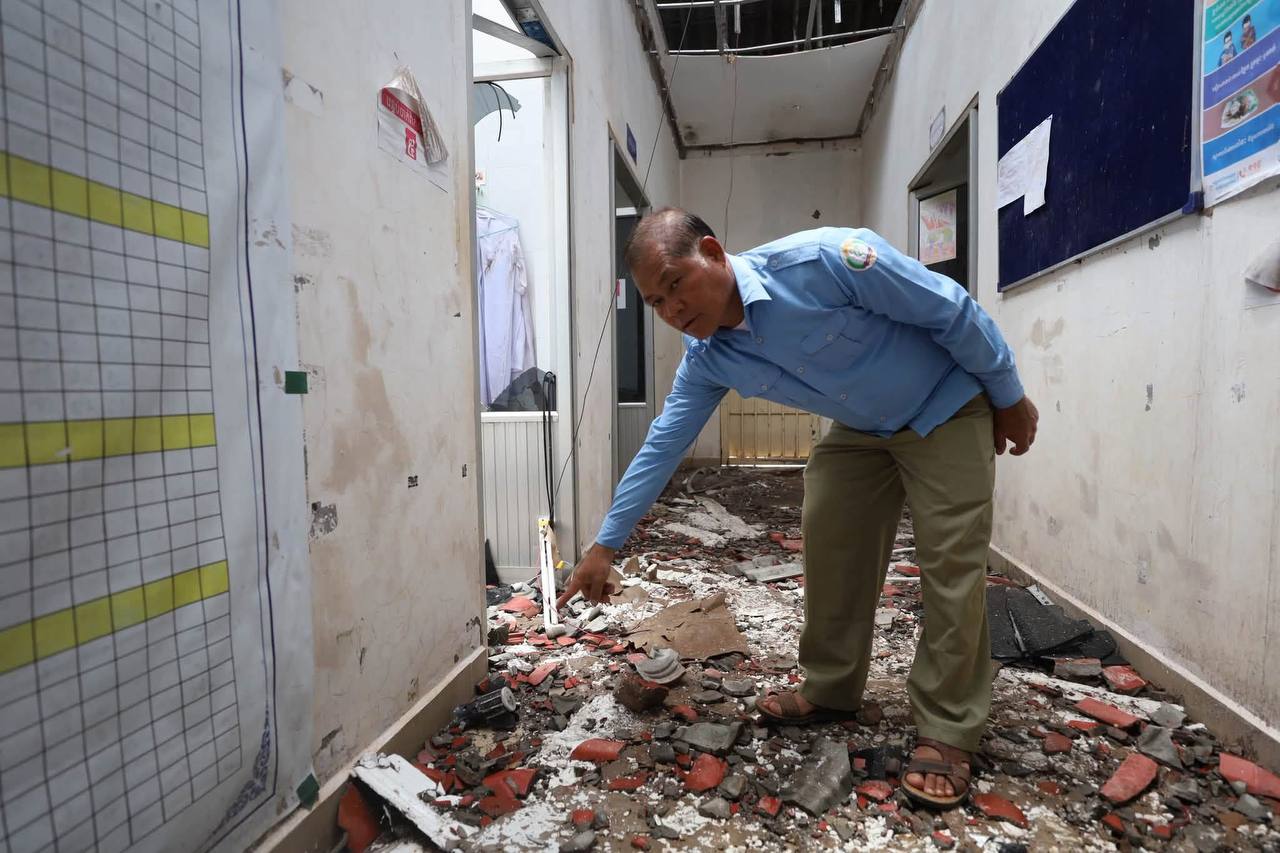
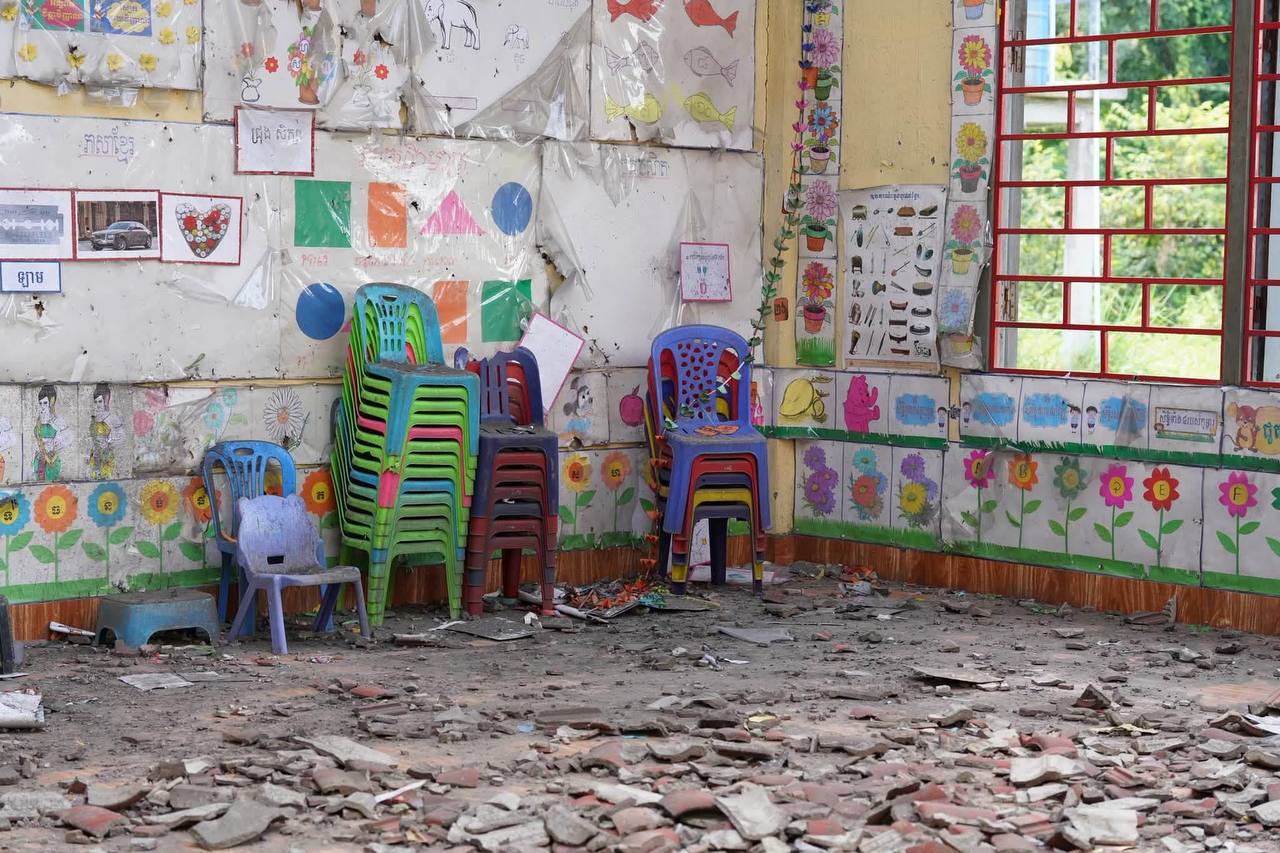
នៅក្រោយការប្រយុទ្ធ រូបភាពដែលនៅសល់មិនមែនមានតែទីតាំងយោធាខូចខាតទេ។ ទីភ្នាក់ងារសារព័ត៌មាន AP (Associated Press) បានរាយការណ៍ពីប្រជាពលរដ្ឋកម្ពុជាដែលវិលត្រឡប់មករកឃើញផ្ទះ និងទ្រព្យសម្បត្តិរបស់ខ្លួនត្រូវភ្លើងឆេះ និងខូចខាតនៅខេត្តឧត្តរមានជ័យ បន្ទាប់ពីការប្រយុទ្ធខែកក្កដា។
នៅក្នុងច្បាប់មនុស្សធម៌អន្តរជាតិ ផ្ទះសម្បែងរបស់ប្រជាពលរដ្ឋ សាលារៀន មន្ទីរពេទ្យ ទីតាំងសាសនា និងហេដ្ឋារចនាសម្ព័ន្ធស៊ីវិល ជាទូទៅគឺជាវត្ថុស៊ីវិល ហើយមិនអាចក្លាយជាគោលដៅវាយប្រហារបានទេ លុះត្រាតែ និងក្នុងរយៈពេលដែលវាបំពេញលក្ខខណ្ឌជាគោលដៅយោធាតាមច្បាប់។
Human Rights Watch បានសង្ខេបគោលការណ៍នេះយ៉ាងច្បាស់ថា ភាគីជម្លោះត្រូវបែងចែកឱ្យបានគ្រប់ពេលរវាងយុទ្ធជន និងជនស៊ីវិល ហើយការវាយប្រហារដែលមិនអាចបែងចែករវាងគោលដៅយោធានិងជនស៊ីវិល ឬដែលរំពឹងថានឹងបង្កការខូចខាតដល់ជនស៊ីវិលហួសហេតុធៀបនឹងអត្ថប្រយោជន៍យោធាជាក់ស្តែង ត្រូវបានហាមឃាត់។
៦. បេតិកភណ្ឌវប្បធម៌ក៏ស្ថិតនៅក្រោមភ្លើងសង្គ្រាម
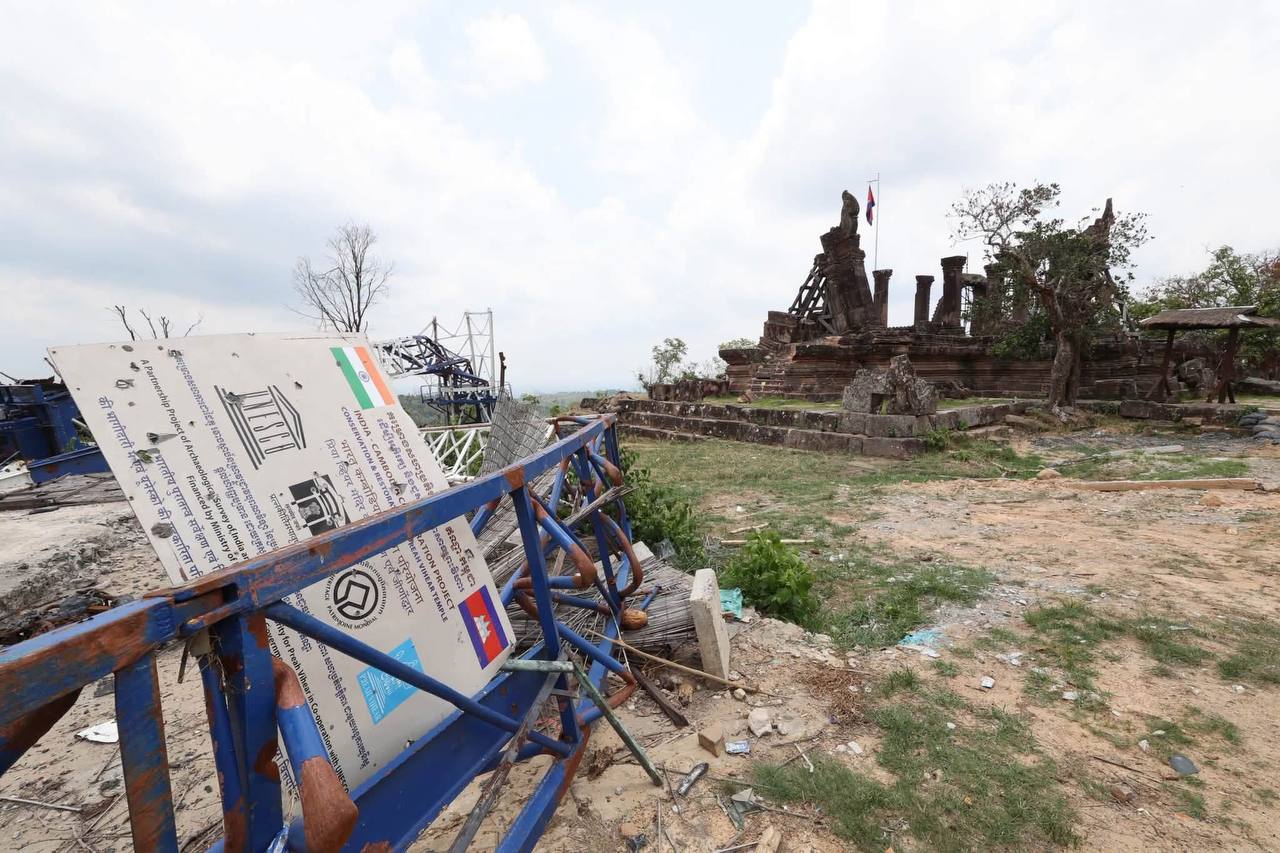
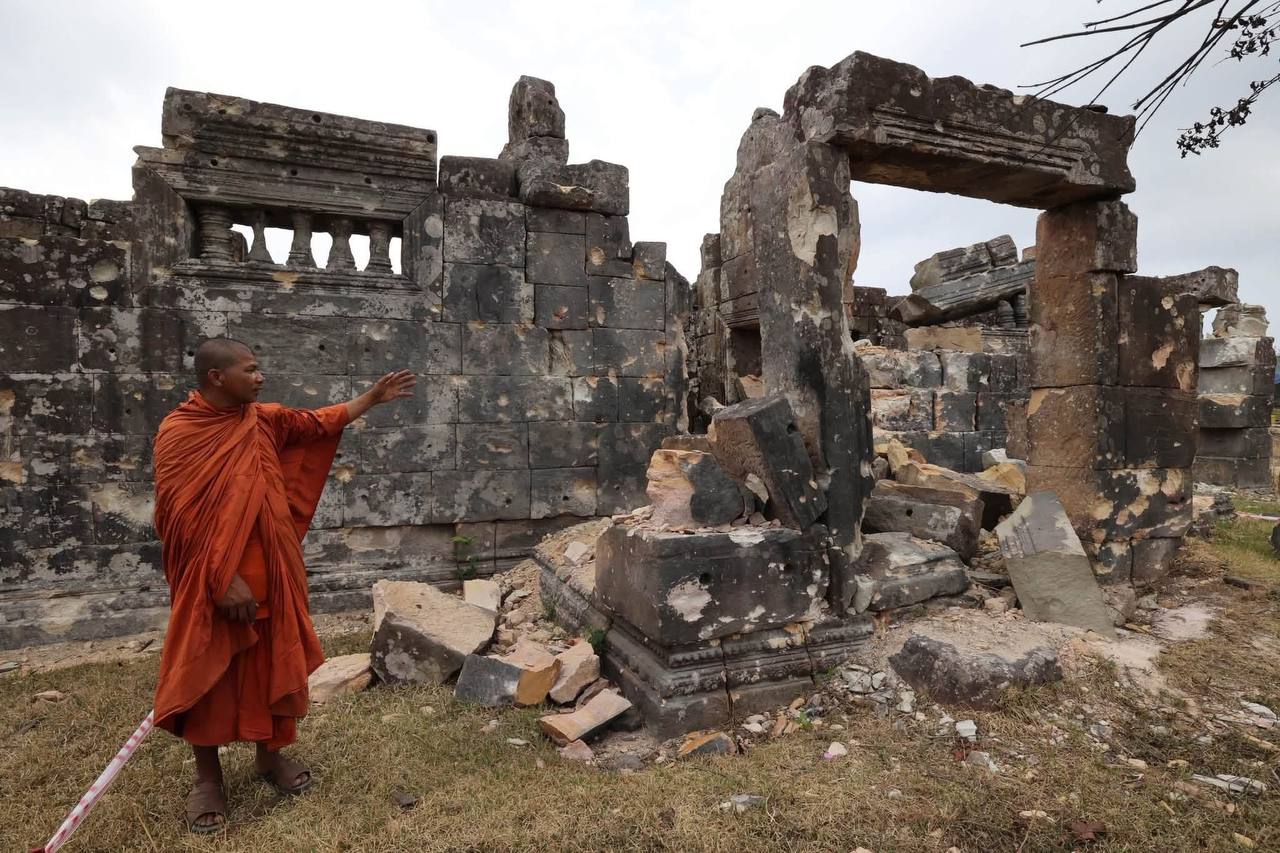
យោធាថៃបានវាយប្រហារតាមអាកាស និងកាំភ្លើងធំ និងបានបង្កការខូចខាតដល់ប្រាសាទតាក្របី និងប្រាសាទព្រះវិហារ ដែលជាសម្បត្តិបេតិកភណ្ឌពិភពលោក។ នៅថ្ងៃទី១០ ខែធ្នូ ឆ្នាំ២០២៥ UNESCO បានបង្ហាញ «ក្តីព្រួយបារម្ភយ៉ាងខ្លាំង» ចំពោះការប្រយុទ្ធឡើងវិញ រួមទាំងនៅក្បែរប្រាសាទព្រះវិហារ ហើយបានរំលឹកដល់ភាគីទាំងអស់អំពីកាតព្វកិច្ចក្រោមច្បាប់អន្តរជាតិ។ UNESCO ថែមទាំងបានផ្តល់កូអរដោនេភូមិសាស្ត្រនៃតំបន់បេតិកភណ្ឌពិភពលោក និងទីតាំងសំខាន់ៗទៅភាគីពាក់ព័ន្ធ ដើម្បីជៀសវាងការបំផ្លាញ។
៧. ច្បាប់មនុស្សធម៌អន្តរជាតិមិនវាស់ត្រឹម «ចេតនា» ទេ
ការនិយាយថា «យើងមិនមានចេតនាវាយប្រហារជនស៊ីវិលទេ» មិនទាន់គ្រប់គ្រាន់សម្រាប់បង្ហាញថាការវាយប្រហារមួយស្របច្បាប់ឡើយ។ ច្បាប់មនុស្សធម៌អន្តរជាតិទាមទារឱ្យគោរពយ៉ាងហោចណាស់នូវគោលការណ៍ស្នូលចំនួនបី៖ ការបែងចែក (distinction), សមាមាត្រ (proportionality) និងការប្រុងប្រយ័ត្នក្នុងការវាយប្រហារ (precautions in attack)។
ន័យរបស់វាគឺ ភាគីវាយប្រហារត្រូវផ្ទៀងផ្ទាត់គោលដៅ ត្រូវជ្រើសរើសមធ្យោបាយនិងវិធីសាស្ត្រវាយប្រហារដែលកាត់បន្ថយគ្រោះថ្នាក់ដល់ជនស៊ីវិល ហើយមិនអាចធ្វើការវាយប្រហារដែលរំពឹងថានឹងបង្កការស្លាប់ របួស ឬការខូចខាតដល់វត្ថុស៊ីវិលដោយចៃដន្យក្នុងកម្រិតហួសហេតុធៀបនឹងអត្ថប្រយោជន៍យោធាជាក់ស្តែង និងដោយផ្ទាល់ដែលរំពឹងទុកឡើយ។
ដូច្នេះ សំណួរដែលត្រូវសួរតើគោលដៅពិតរបស់យោធាថៃពិតជាគោលដៅយោធាឬទេ? តើអាវុធនោះសមស្របសម្រាប់បរិបទនោះឬទេ? តើអាចកាត់បន្ថយការខូចខាតដល់ជនស៊ីវិលបានឬទេ? តើមានការប្រុងប្រយ័ត្នគ្រប់គ្រាន់ឬទេ? និងតើផលប៉ះពាល់ដល់ជនស៊ីវិលមានសមាមាត្រជាមួយអត្ថប្រយោជន៍យោធាដែលរំពឹងទុកឬទេ?
៨. «គោលដៅយោធា» មិនមែនជាពាក្យវេទមន្តដែលលុបចោលការទទួលខុសត្រូវ
ប្រសិនបើយោធាថៃអះអាងថា រាល់ការវាយប្រហាររបស់ខ្លួនសុទ្ធតែស្របច្បាប់ និងផ្តោតតែទៅលើគោលដៅយោធា នោះការអះអាងនេះគួរតែអាចឆ្លងកាត់ការផ្ទៀងផ្ទាត់ឯករាជ្យបាន។ តើគោលដៅនីមួយៗត្រូវបានកំណត់ដោយព័ត៌មានអ្វី? តើមានការវាយតម្លៃអំពីវត្តមានជនស៊ីវិលមុនការវាយប្រហារឬទេ? តើហេតុអ្វីបានជាអាវុធដែលមានផលប៉ះពាល់លើផ្ទៃធំ រួមទាំងគ្រាប់បែកចង្កោម ត្រូវបានប្រើ? តើមានការវាយតម្លៃសមាមាត្រមុនការវាយប្រហារឬទេ? តើមានការជ្រើសរើសអាវុធ ឬពេលវេលាផ្សេងដែលអាចកាត់បន្ថយការខូចខាតដល់ជនស៊ីវិលឬទេ? ទាំងនេះជាសំណួរដែលច្បាប់ទាមទារចម្លើយ។
ភស្តុតាងជាក់ស្តែងលើដីត្រូវតែមានទម្ងន់ជាងការបដិសេធ
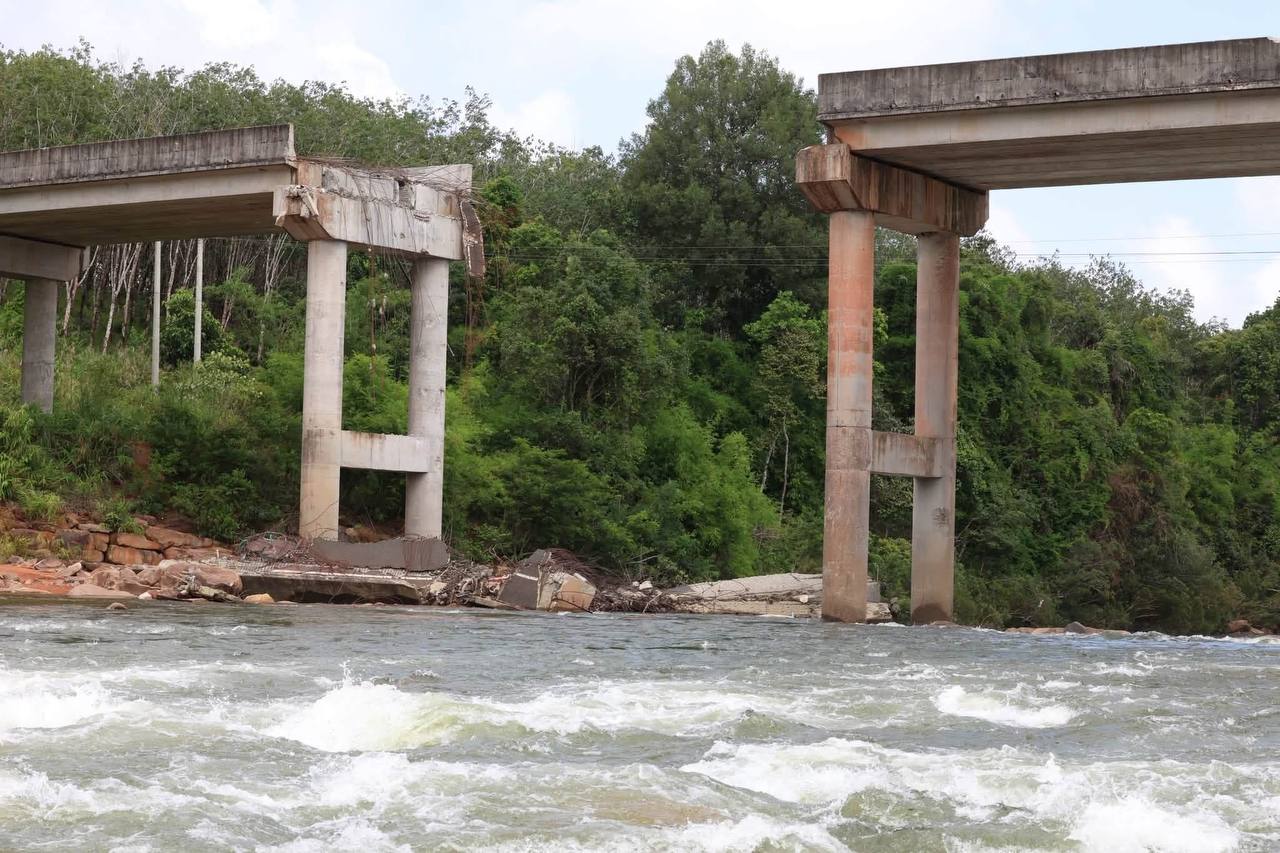
សេចក្តីថ្លែងការណ៍យោធាថៃអាចនិយាយថា ការវាយប្រហារត្រូវបានកំណត់ត្រឹមគោលដៅយោធា។ ប៉ុន្តែអ្វីដែលត្រូវវាយតម្លៃគឺ អង្គហេតុ និងផលវិបាកនៃការវាយប្រហារនីមួយៗ។ ជនស៊ីវិលដែលបានស្លាប់និងរងរបួស ផ្ទះដែលត្រូវបានបំផ្លាញ ទីតាំងសាសនាដែលរងការខូចខាត បេតិកភណ្ឌវប្បធម៌ដែលស្ថិតក្រោមហានិភ័យ ប្រជាពលរដ្ឋរាប់សែននាក់ដែលត្រូវចាកចេញពីលំនៅឋាន និងគ្រាប់បែកចង្កោមមិនទាន់ផ្ទុះដែលអាចបន្តគំរាមកំហែងមនុស្សក្រោយការប្រយុទ្ធ គឺជាអង្គហេតុដែលត្រូវបានយកមកពិនិត្យយ៉ាងម៉ត់ចត់។
ដោយហេតុនេះ ជំនួសឱ្យការទទួលយកការអះអាងរបស់ភាគីណាមួយដោយស្វ័យប្រវត្តិ អ្វីដែលចាំបាច់គឺ ការកត់ត្រាភស្តុតាង ការផ្ទៀងផ្ទាត់ដោយឯករាជ្យ និងការវាយតម្លៃការវាយប្រហារនីមួយៗក្រោមច្បាប់មនុស្សធម៌អន្តរជាតិ។
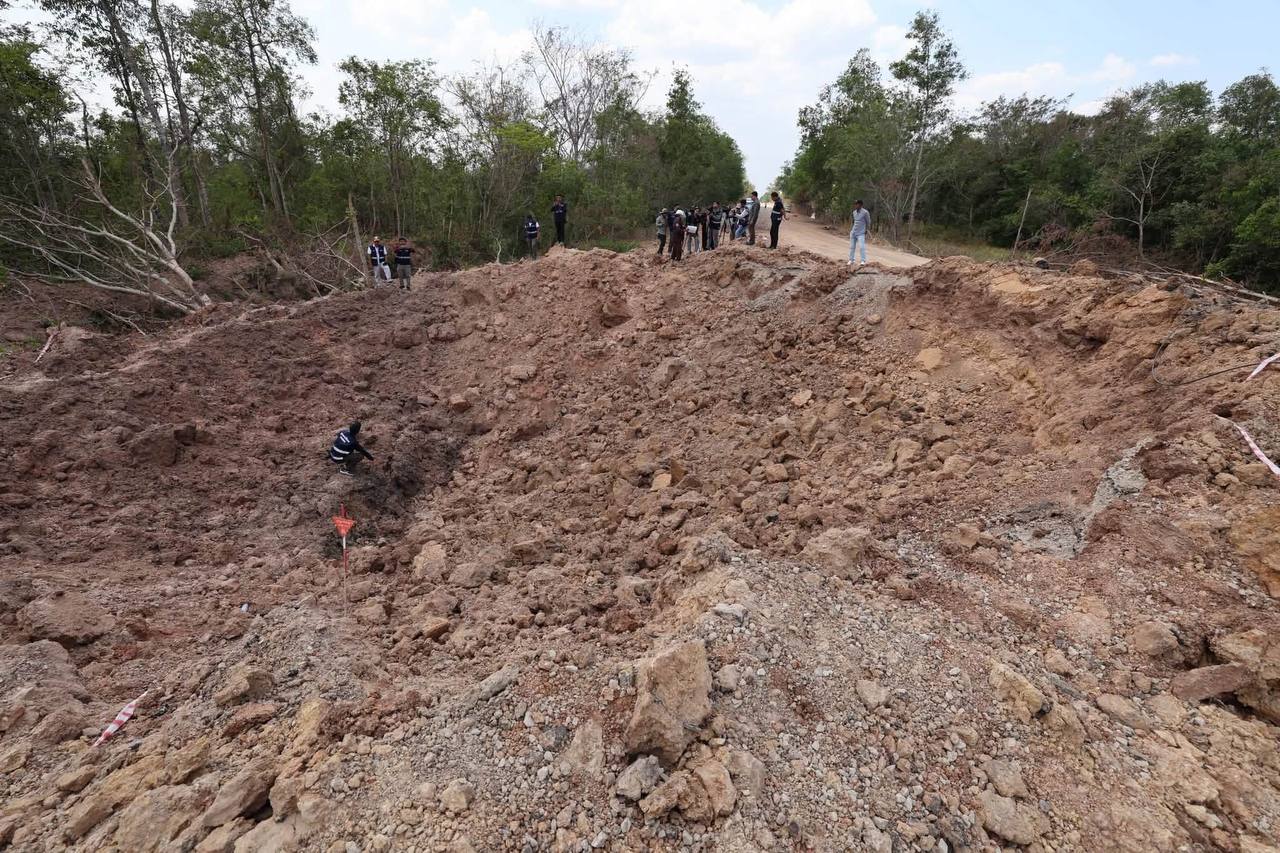
ព្រោះនៅក្នុងសង្គ្រាម ពាក្យថា «យើងវាយតែគោលដៅយោធា» មិនអាចលុបស្នាមរណ្តៅគ្រាប់បែក មិនអាចសង់ផ្ទះដែលត្រូវបានបំផ្លាញឡើងវិញ មិនអាចដកគ្រាប់បែកចង្កោមដែលនៅសល់ក្នុងដី និងមិនអាចនាំជីវិតជនស៊ីវិលដែលបានបាត់បង់ឱ្យត្រឡប់មកវិញបានឡើយ។
អ្នកដែលអះអាងថាការវាយប្រហាររបស់ខ្លួនស្របច្បាប់ មិនគួរខ្លាចការផ្ទៀងផ្ទាត់ដោយឯករាជ្យឡើយ។ ប្រសិនបើគោលដៅទាំងអស់ពិតជាគោលដៅយោធា ប្រសិនបើគោលការណ៍សមាមាត្រត្រូវបានគោរព និងប្រសិនបើវិធានការប្រុងប្រយ័ត្រត្រូវបានអនុវត្តយ៉ាងពេញលេញ នោះភស្តុតាងគួរតែអាចបញ្ជាក់ការអះអាងនោះបាន។ ប៉ុន្តែការបដិសេធដោយគ្មានការបង្ហាញភស្តុតាង មិនអាចជំនួសការស៊ើបអង្កេតបានឡើយ។ ការពិតត្រូវវាស់ដោយភស្តុតាងនៅលើដី មិនមែនដោយការអះអាង ឬការបដិសេធពីអ្នកដែលបានប្រើប្រាស់អាវុធយុទ្ធភណ្ឌនោះទេ៕
Indiscriminate Attacks: When the Thai Military’s Claim That It “Targets Only Military Objectives” Does Not Match the Consequences on the Ground of Its Armed Aggression
The Thai military has repeatedly claimed that its military operations against Cambodia were conducted in accordance with international humanitarian law and directed solely at military objectives, while respecting the principles of military necessity and proportionality. But a claim does not become true merely because it is repeated again and again. It must be tested against facts, evidence, the types of weapons used, the locations attacked, and the actual consequences for civilians.
When we examine the consequences on Cambodian territory, a fundamental question arises: if all the targets were genuinely military objectives, why did civilians, homes, villages, religious sites, civilian infrastructure, and cultural heritage become victims of heavy explosive weapons?
1. Facts on the Ground Cannot Be Erased by Statements
During the two rounds of armed aggression against Cambodian territory, in July and December 2025, Thai forces used F-16 fighter jets, air strikes, heavy artillery, and rockets. Human Rights Watch documented civilian deaths and injuries and geolocated imagery showing damage to buildings and a Buddhist temple in Kok Mon commune, Oddar Meanchey province.
In Cambodia’s official submission to the United Nations Security Council, Cambodia reported that bombs dropped by Thai F-16 aircraft struck the compound of Ta Moan Senchey Pagoda on 24 July 2025, killing a monk. On 25 July, further air strikes were also reported, including in the area of Ta Krabei Temple.
Accordingly, the nature and legality of these attacks cannot be assessed solely on the basis of the attacking party’s assertion that the targets were “military objectives.” It must be determined whether each target was genuinely a military objective; whether the weapons used were capable of limiting their effects; whether feasible precautions were taken to protect civilians; and whether the expected civilian harm was excessive in relation to the concrete and direct military advantage anticipated.
2. F-16s, Heavy Artillery and Heavy Weapons: The Effects Do Not Stop at the “Target Point”
The central issue is not simply where a weapon was aimed, but what type of weapon was used, in what environment, and how wide an area its effects could reach.
The consequences extend far beyond immediate deaths and injuries. They include the destruction of buildings, disruption of health and education services, damage to civilian infrastructure and cultural heritage, and the forced displacement of civilian populations.
This is essential when assessing the claim that the Thai military “targeted only military objectives.” The mere designation of a point on a map as a military target does not automatically make the use of any weapon against that point lawful.
3. Cluster Munitions: A Serious Challenge to the Claim of “Military Targets Only”
In July 2025, the Thai military acknowledged that it had used cluster munitions when it considered them necessary against military targets. Human Rights Watch observed that the use of such weapons in populated areas may constitute an unlawfully indiscriminate attack.
The characteristics of cluster munitions make this issue particularly serious. These weapons can disperse dozens or hundreds of submunitions over a wide area. Some submunitions fail to explode on impact and may remain on the ground like landmines, continuing to threaten civilians long after active hostilities have ended.
A tragic incident occurred on 25 October 2025 in Preah Vihear province. Ten-year-old Seun Sovann was killed and his father was seriously injured in an explosion. The Cambodian Mine Action Centre identified the device as an unexploded M-85 submunition that it said had been fired into Cambodia during the July fighting, while the Thai military rejected that conclusion. Human Rights Watch called for an investigation by an independent and competent international body.
The case illustrates a fundamental point: the consequences of cluster munitions do not end when the guns fall silent.
4. December 2025: The Scale of Destruction Became Even More Severe
When armed aggression erupted again in December 2025, the humanitarian crisis expanded dramatically.
A Humanitarian Response Forum report issued by the United Nations on 27 December documented the use of heavy artillery, F-16 aircraft, and drones, including in and around populated areas. During this second round of hostilities in December, approximately 650,000 people were displaced, including 336,302 women and 204,992 children. Civilian casualties were reported at 32 killed and 94 injured.
In April 2026, the United Nations assessed that the first wave of displacement in July had forced more than 172,000 people from their homes, while the renewed fighting in December generated a far larger second wave, reaching approximately 650,000 displaced persons by the end of the month.
5. Civilian Homes and Infrastructure Are Not Automatically Military Objectives
The aftermath of the fighting did not reveal damage only to military positions. The Associated Press reported on Cambodian civilians returning to find their homes and property burned or damaged in Oddar Meanchey province following the July fighting.
Under international humanitarian law, civilian homes, schools, hospitals, religious sites, and civilian infrastructure are, as a general rule, civilian objects. They may not be attacked unless, and for such time as, they meet the legal criteria of a military objective.
Human Rights Watch has summarized the applicable principle clearly: parties to a conflict must at all times distinguish between combatants and civilians, and attacks that cannot distinguish between military objectives and civilians, or that are expected to cause civilian harm excessive in relation to the concrete military advantage anticipated, are prohibited.
6. Cultural Heritage Also Came Under Fire
Thai air strikes and artillery fire caused damage to Ta Krabei Temple and the Temple of Preah Vihear, a UNESCO World Heritage property. On 10 December 2025, UNESCO expressed “deep concern” over renewed hostilities, including fighting near the Temple of Preah Vihear, and reminded all parties of their obligations under international law.
UNESCO also provided geographic coordinates of the World Heritage property and other important sites to the parties concerned in order to help prevent damage.
7. International Humanitarian Law Does Not Measure Legality by “Intent” Alone
Saying, “We did not intend to attack civilians,” is not sufficient to establish that an attack was lawful.
International humanitarian law requires respect for at least three fundamental principles: distinction, proportionality, and precautions in attack.
This means that an attacking party must verify its targets, choose means and methods of warfare that reduce risks to civilians, and refrain from attacks expected to cause incidental civilian deaths, injuries, or damage to civilian objects that would be excessive in relation to the concrete and direct military advantage anticipated.
The questions that must therefore be asked are these: Were the Thai military’s actual targets genuinely military objectives? Were the weapons used appropriate to the circumstances? Could civilian harm have been reduced? Were sufficient precautions taken? And was the civilian harm proportionate to the military advantage anticipated?
8. “Military Objective” Is Not a Magic Phrase That Erases Responsibility
If the Thai military maintains that all of its attacks were lawful and directed exclusively at military objectives, those claims should withstand independent verification.
On what intelligence was each target selected? Was the presence of civilians assessed before each attack? Why were weapons with wide-area effects, including cluster munitions, used? Was a proportionality assessment conducted beforehand? Were alternative weapons, timing, or methods available that could have reduced civilian harm?
These are not political questions. They are questions that the law itself requires to be answered.
Evidence on the Ground Must Carry Greater Weight Than Denial
Thai military statements may assert that attacks were limited to military objectives. But what must ultimately be assessed are the facts and the consequences of each attack.
Civilians killed and injured; homes destroyed; religious sites damaged; cultural heritage placed at risk; hundreds of thousands of people forced from their homes; and unexploded cluster submunitions that may continue to threaten human life long after the fighting — these are facts that demand careful examination.
What is therefore required is not the automatic acceptance of any party’s claim, but the documentation of evidence, independent verification, and a legal assessment of each attack under international humanitarian law.
In war, the statement “we targeted only military objectives” cannot erase bomb craters. It cannot rebuild destroyed homes. It cannot remove unexploded cluster munitions from the ground. And it cannot restore the lives of civilians who have been killed.
Those who claim that their attacks were lawful should have nothing to fear from independent verification. If every target was genuinely a military objective, if proportionality was respected, and if all feasible precautions were taken, the evidence should be capable of demonstrating that. But denial without disclosure of supporting evidence cannot substitute for investigation.
The truth must be measured by the evidence on the ground, not by the claims or denials of those who used the weapons.








ប្រភព ៖ (រដ្ឋមន្ត្រីក្រសួងព័ត៌មាន)