 សារព័ត៌មាន នគរវត្ត តែងតែនាំមុខគេជានិច្ច





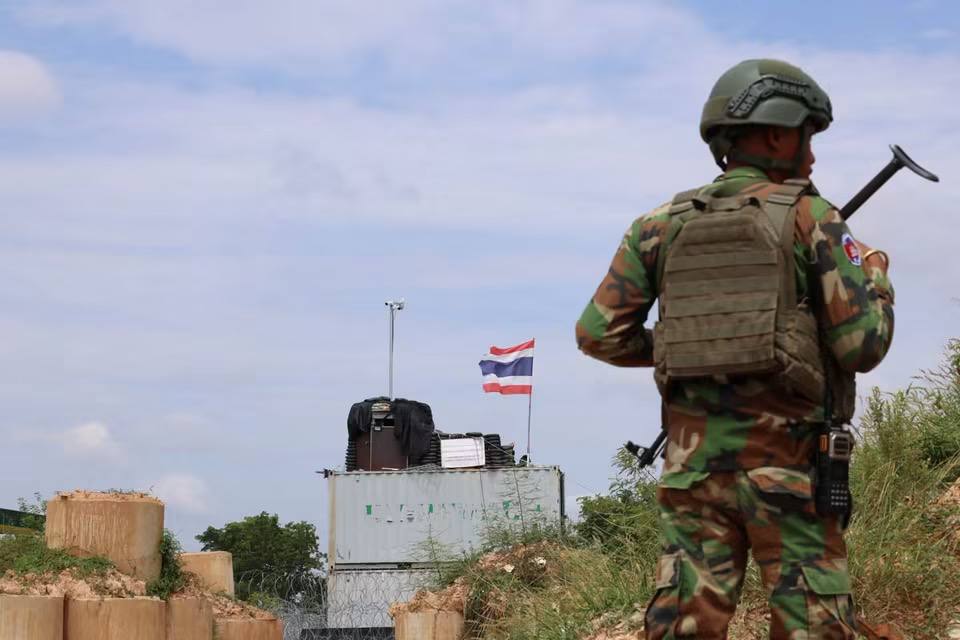
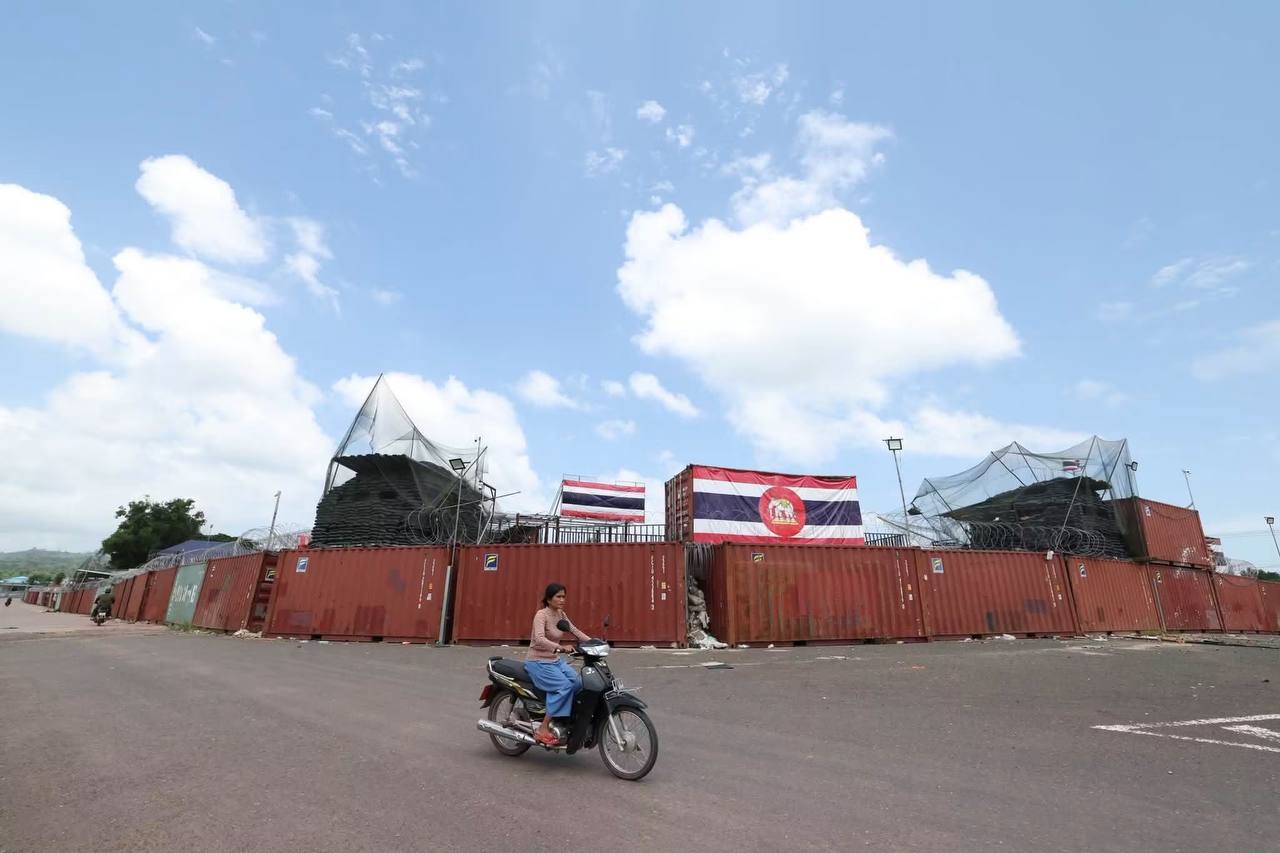
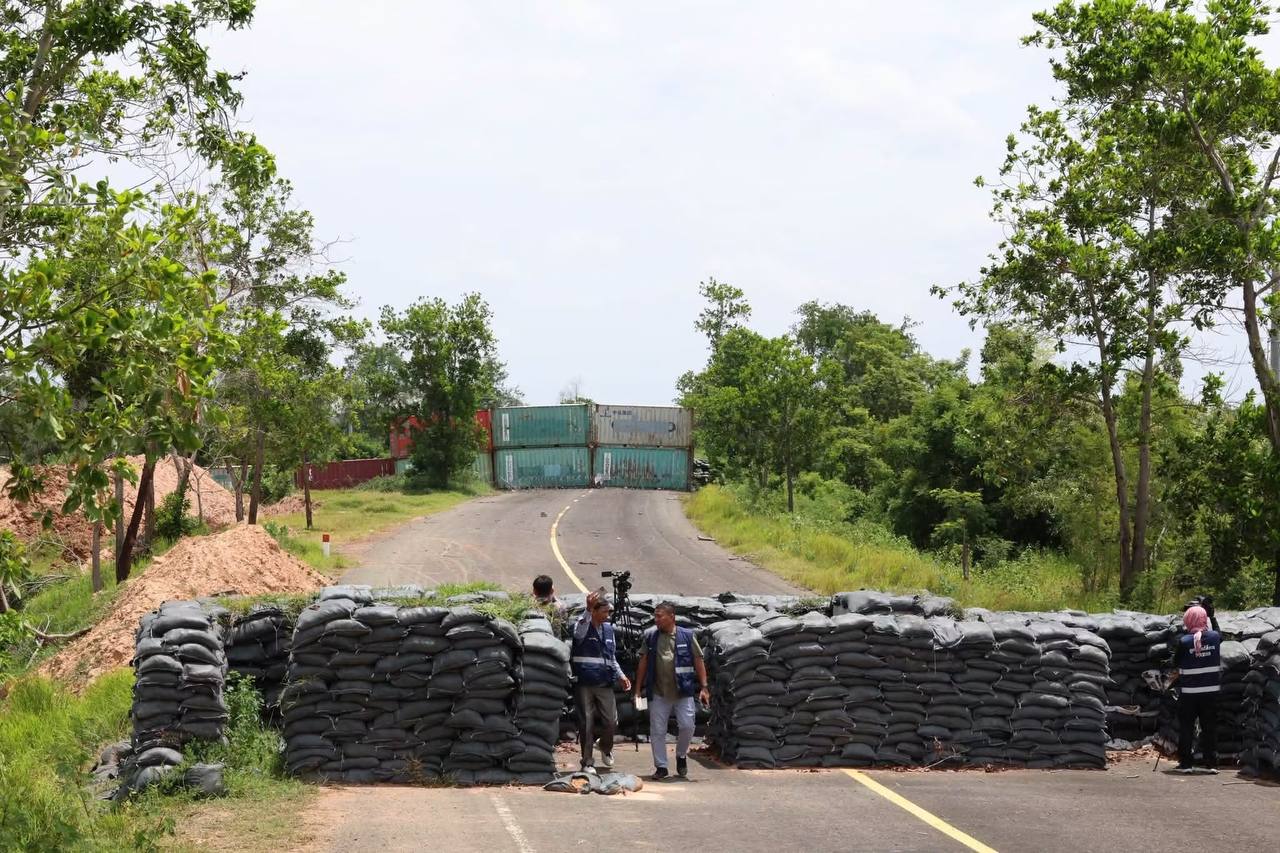
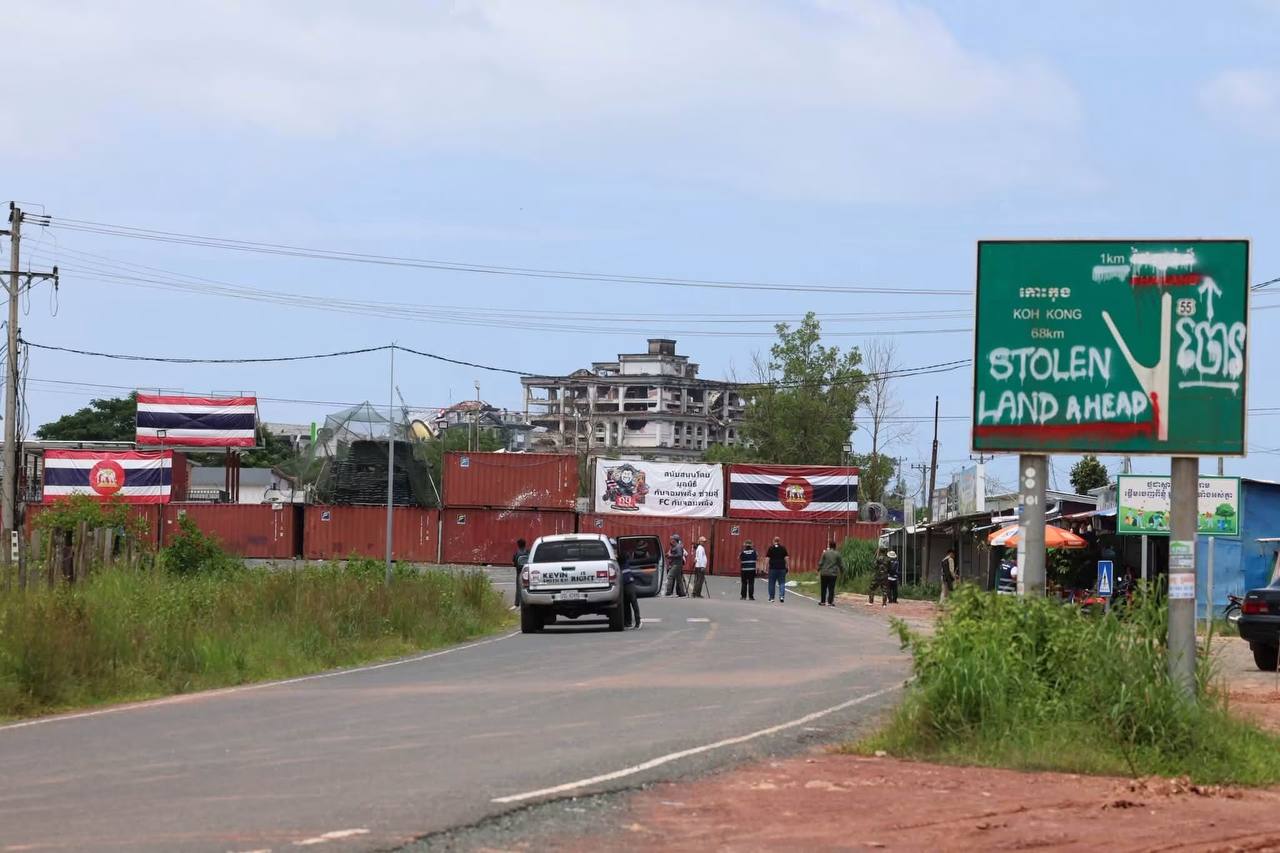
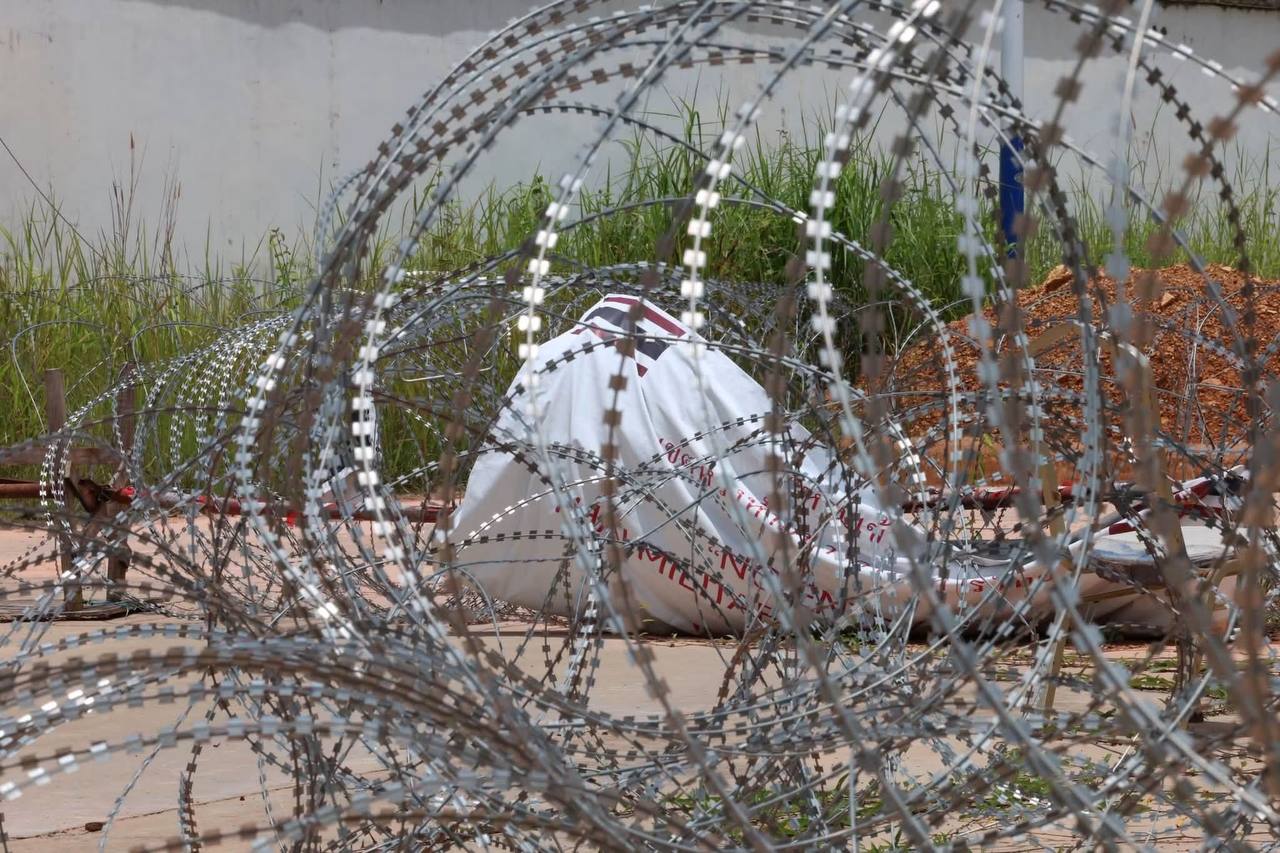
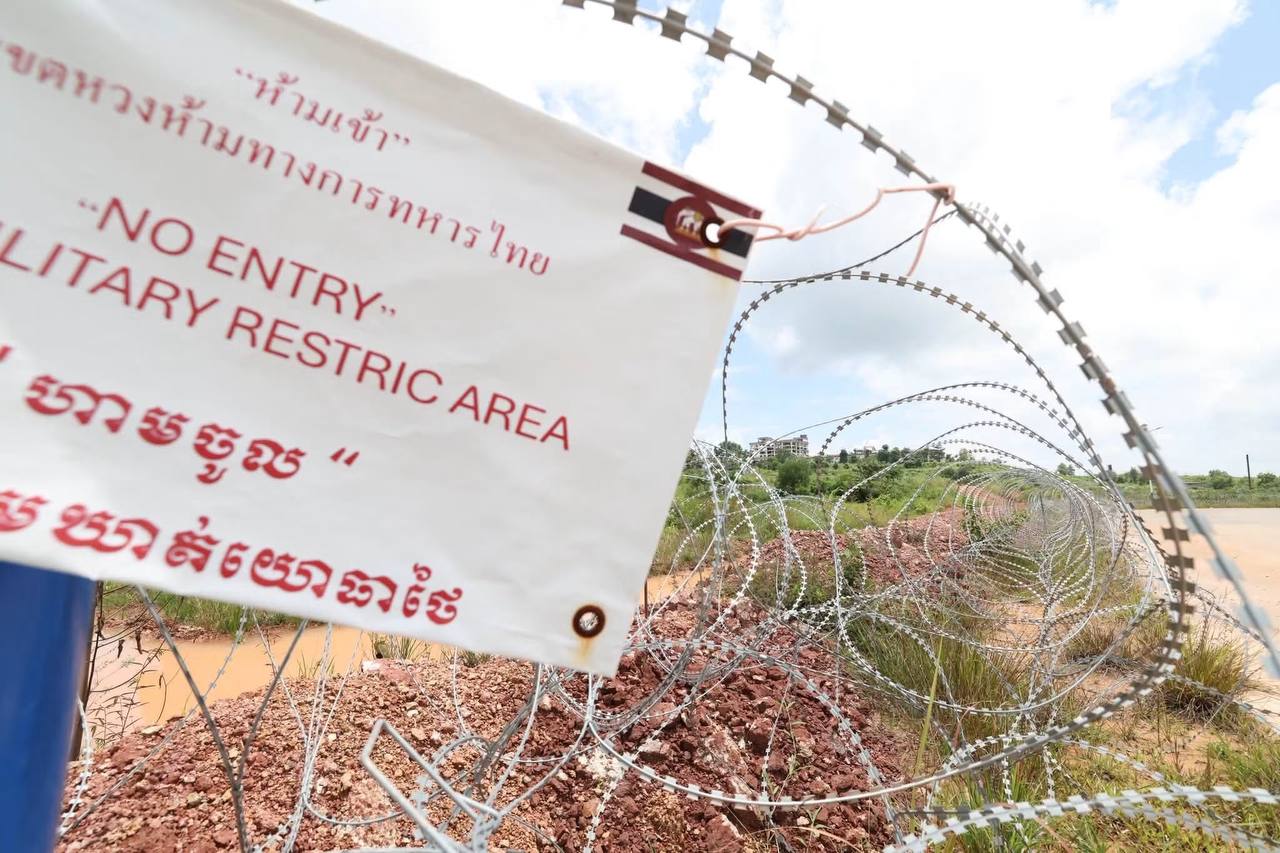
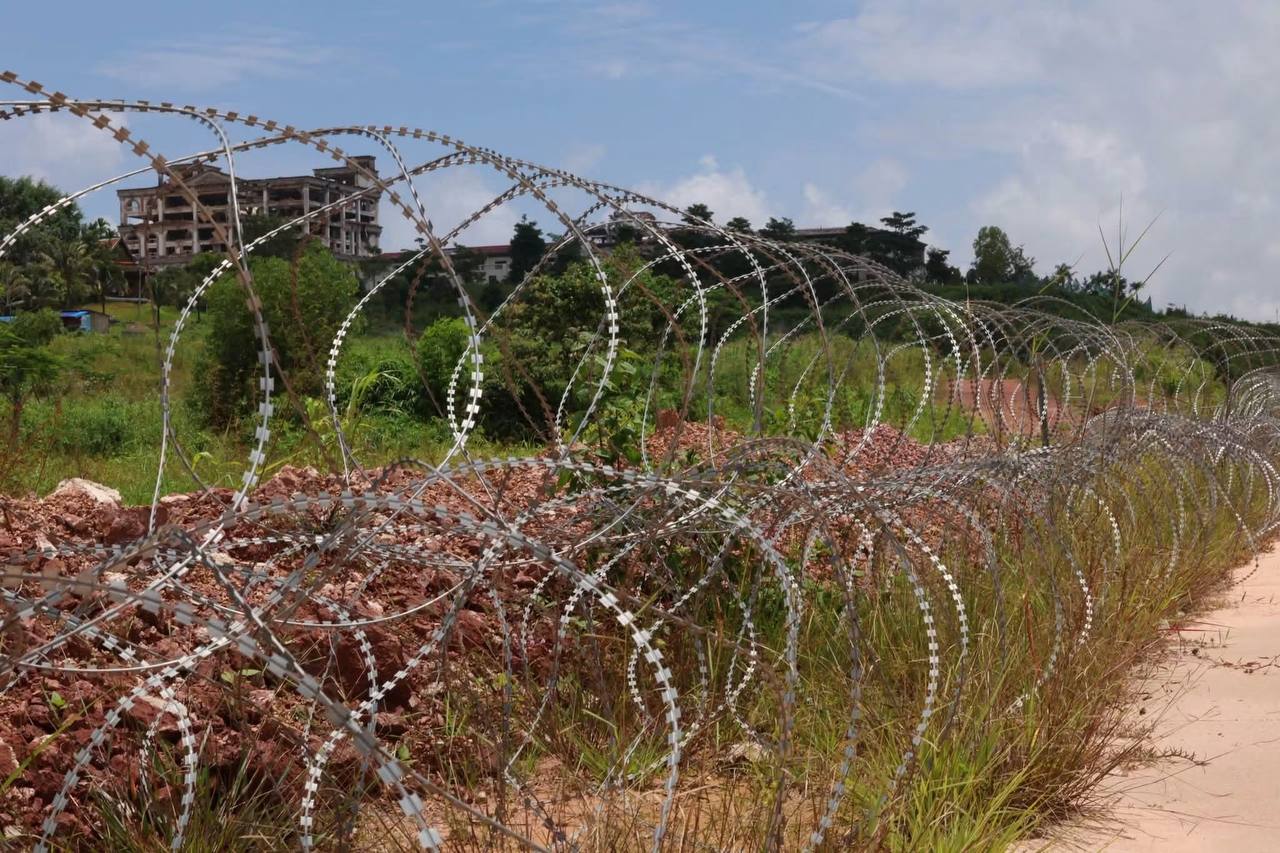
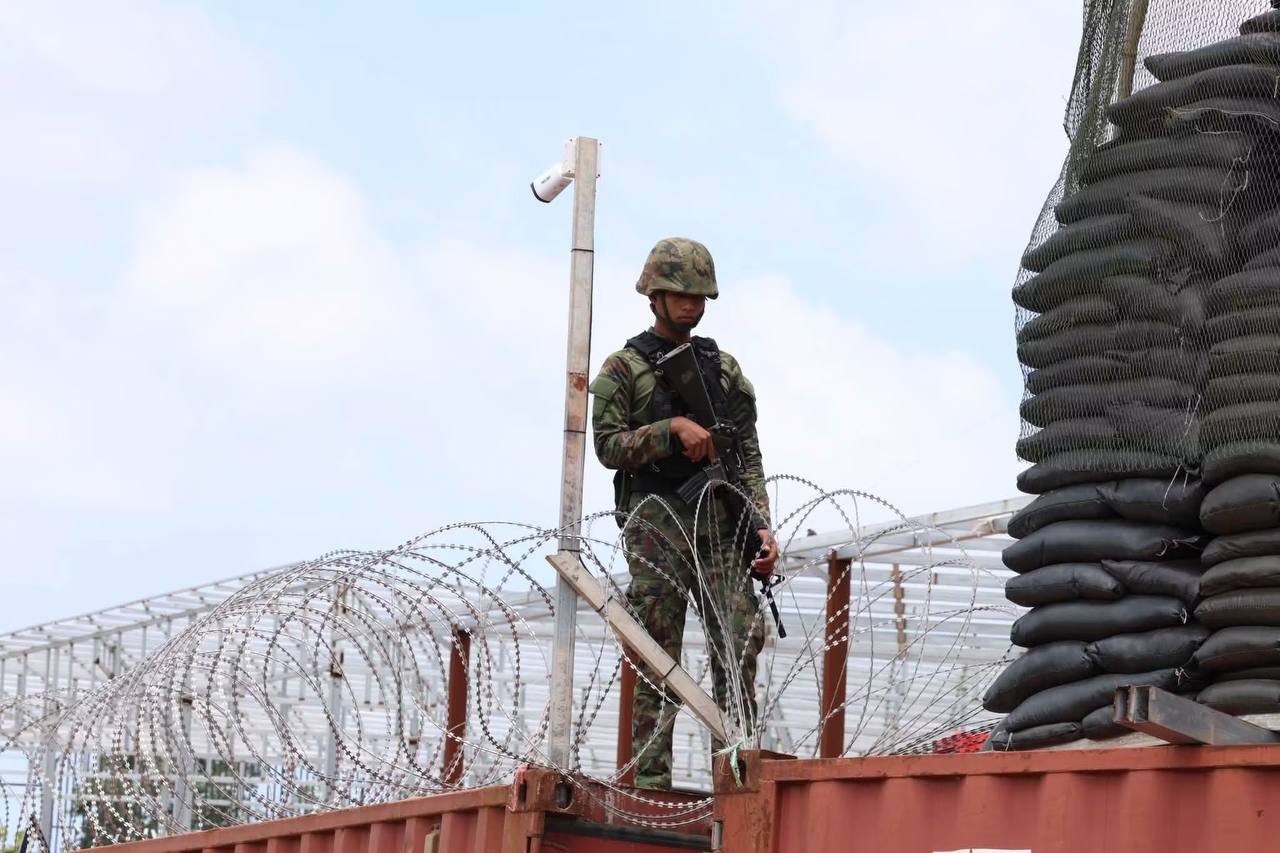
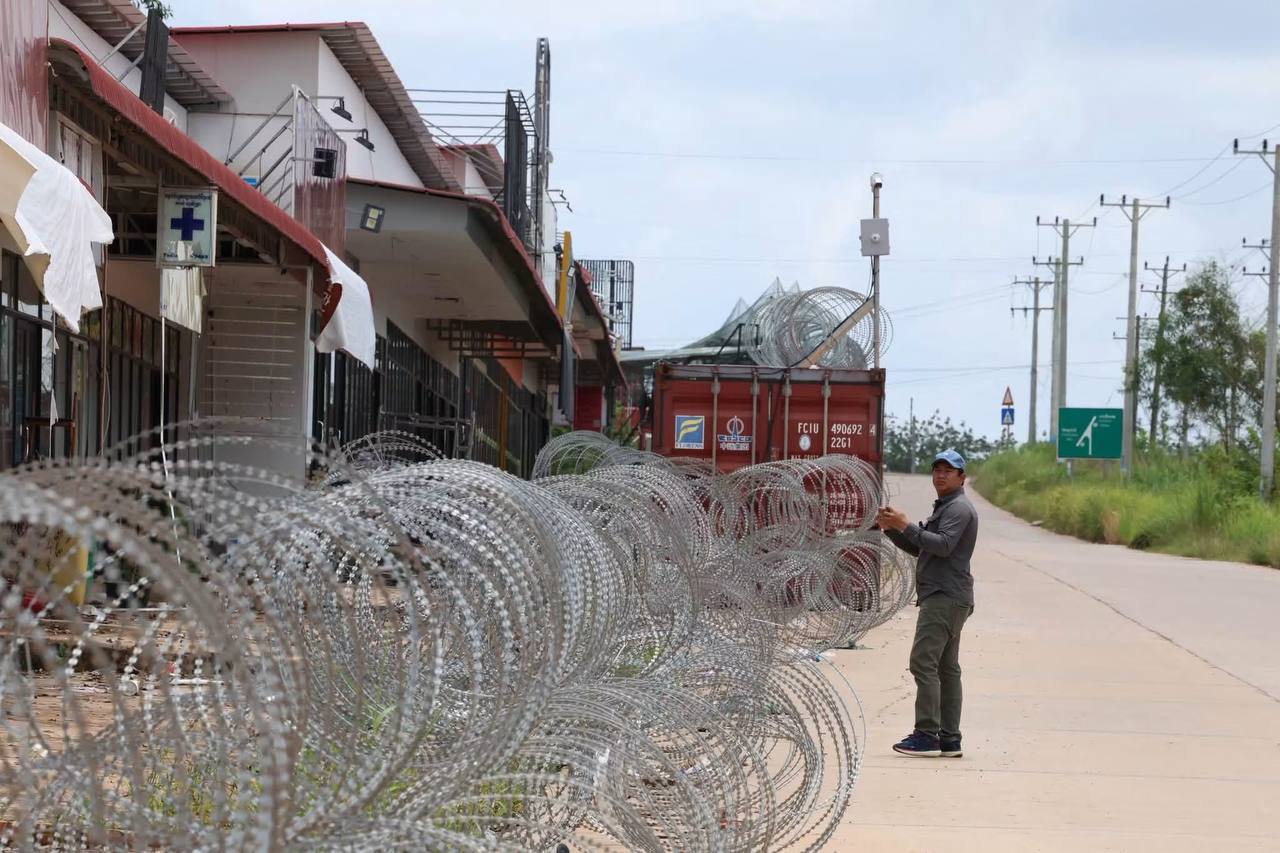
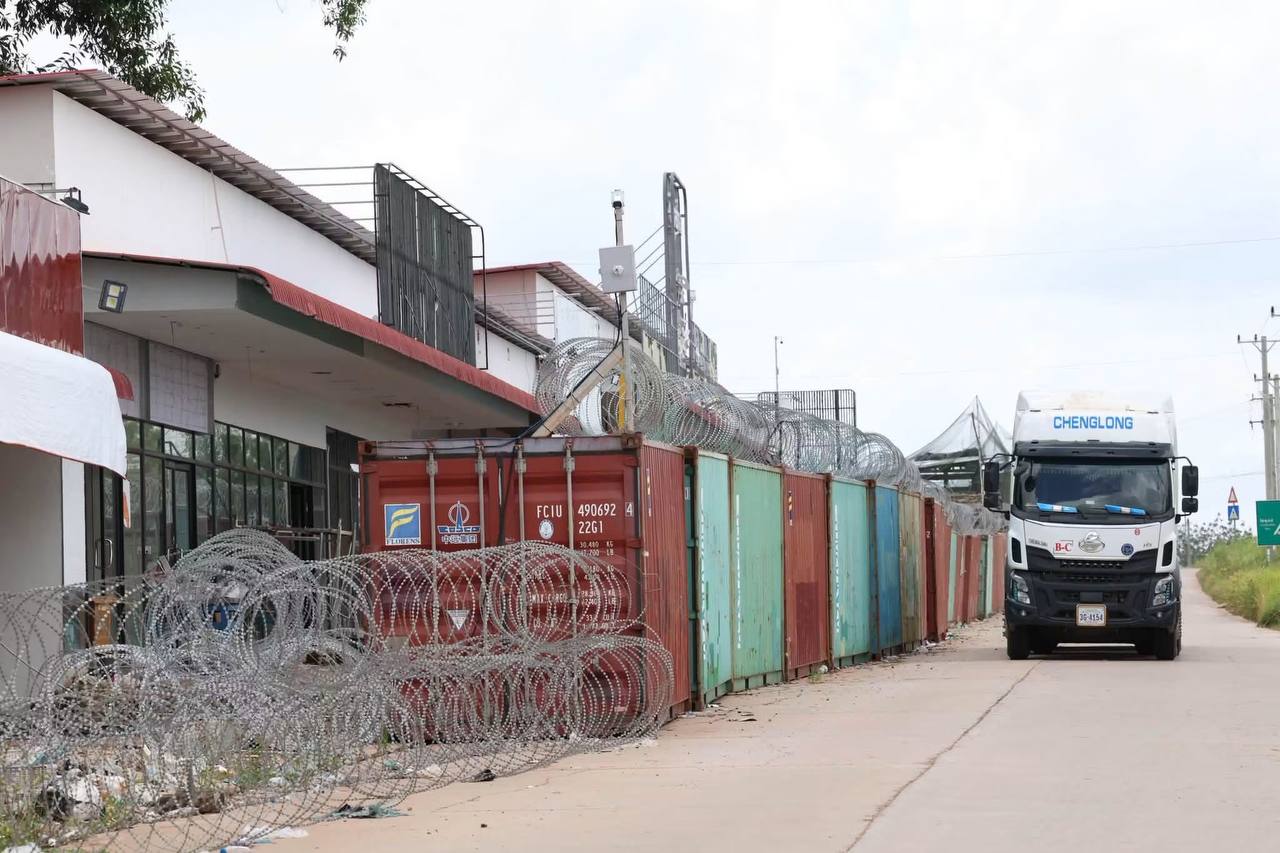
នៅក្នុងច្បាប់អន្តរជាតិ មានភាពខុសគ្នាជាមូលដ្ឋានរវាង «ការគ្រប់គ្រងទឹកដីជាក់ស្តែង» និង «អធិបតេយ្យភាពស្របច្បាប់»។ កងកម្លាំងប្រដាប់អាវុធអាចចូលទៅកាន់ទីតាំងមួយ ដាក់បន្លាលួស កុងតឺន័រ ជីកលេណដ្ឋាន សាងសង់ផ្លូវ ឬរារាំងប្រជាពលរដ្ឋមិនឱ្យត្រឡប់ទៅដី និងលំនៅឋានរបស់ខ្លួនបាន ប៉ុន្តែសកម្មភាពទាំងនេះមិនអាចបម្លែងការគ្រប់គ្រងដោយកម្លាំងទៅជាប័ណ្ណកម្មសិទ្ធិលើទឹកដី ឬអធិបតេយ្យភាពស្របច្បាប់បានឡើយ។
គោលការណ៍នេះមានសារៈសំខាន់ជាពិសេសចំពោះការវិភាគសកម្មភាពឈ្លានពានរបស់យោធាថៃមកលើទឹកដីកម្ពុជា និងការប៉ុនប៉ងបង្កើតស្ថានភាពជាក់ស្តែងថ្មីនៅតាមតំបន់ព្រំដែន។ ប្រសិនបើវត្តមានយោធាថៃនៅទីតាំងណាមួយត្រូវបានបញ្ជាក់ដោយភស្តុតាងថាស្ថិតក្នុងទឹកដីកម្ពុជា ការគ្រប់គ្រងទីតាំងនោះដោយកម្លាំង មិនអាចបង្កើតសិទ្ធិអធិបតេយ្យភាពឱ្យថៃបានឡើយ។
ការប្រើកម្លាំងអាចផ្លាស់ប្តូរអ្នកដែលកំពុងឈរជើងលើដី ប៉ុន្តែមិនអាចផ្លាស់ប្តូរអ្នកដែលមានសិទ្ធិស្របច្បាប់លើដីនោះបានទេ។
ច្បាប់អន្តរជាតិបដិសេធការទទួលបានទឹកដីដោយកម្លាំង
មាត្រា ២(៤) នៃធម្មនុញ្ញអង្គការសហប្រជាជាតិ កំណត់ថា រដ្ឋទាំងឡាយត្រូវជៀសវាងការគំរាមកំហែង ឬការប្រើកម្លាំងប្រឆាំងនឹងបូរណភាពទឹកដី ឬឯករាជ្យនយោបាយរបស់រដ្ឋដទៃ។ គោលការណ៍នេះត្រូវបានពង្រឹងដោយសេចក្តីប្រកាសរបស់មហាសន្និបាតអង្គការសហប្រជាជាតិលេខ 2625 (XXV) ឆ្នាំ១៩៧០ ដែលបញ្ជាក់ថា «ទឹកដីដែលទទួលបានតាមរយៈការគំរាមកំហែង ឬការប្រើកម្លាំង មិនត្រូវទទួលស្គាល់ថាជាការទទួលបានទឹកដីស្របច្បាប់ឡើយ»។
ដូច្នេះ ការដែលកងទ័ពអាចគ្រប់គ្រងទីតាំងមួយដោយកម្លាំង គ្រាន់តែបង្ហាញពី ការគ្រប់គ្រងជាក់ស្តែង មិនមែនជាភស្តុតាងនៃប័ណ្ណកម្មសិទ្ធិផ្លូវច្បាប់ឡើយ។ កងទ័ពអាចបង្កើតការគ្រប់គ្រងដោយកម្លាំង ប៉ុន្តែកងទ័ពមិនអាចបង្កើតប័ណ្ណកម្មសិទ្ធិលើទឹកដីបានទេ។
ព្រំដែនមិនអាចគូសឡើងវិញដោយបន្លាលួស និងកុងតឺន័រ
ប្រសិនបើមានការខ្វែងគំនិតគ្នាអំពីទីតាំងព្រំដែនកម្ពុជា–ថៃ ដំណោះស្រាយត្រូវស្ថិតនៅក្នុងច្បាប់ អនុសញ្ញា សន្ធិសញ្ញា ផែនទី ឯកសារកំណត់ព្រំដែន យន្តការដែលភាគីបានព្រមព្រៀង និងមធ្យោបាយដោះស្រាយវិវាទដោយសន្តិវិធី។
ដំណោះស្រាយមិនអាចជាការប្រើកម្លាំងដើម្បីបង្កើត faits accomplis នៅលើដីជាមុន ហើយបន្ទាប់មកយកស្ថានភាពដែលខ្លួនបានបង្កើតឡើងដោយកម្លាំងនោះទៅធ្វើជាមូលដ្ឋានទាមទារសិទ្ធិបានឡើយ។
ការដាក់បន្លាលួស កុងតឺន័រ ការជីកលេណដ្ឋាន ការសាងសង់ផ្លូវ ឬការរារាំងប្រជាពលរដ្ឋកម្ពុជាមិនឱ្យចូលទៅកាន់ដី និងលំនៅឋានរបស់ពួកគេ មិនអាចជំនួសនីតិវិធីកំណត់ព្រំដែនស្របច្បាប់បានទេ។
បន្លាលួសមិនមែនជាខ្សែព្រំដែន។ កុងតឺន័រមិនមែនជាបង្គោលព្រំដែន។ លេណដ្ឋានមិនមែនជាសន្ធិសញ្ញា។ ហើយវត្តមានកងទ័ពមិនមែនជាប័ណ្ណកម្មសិទ្ធិលើទឹកដីឡើយ។
គ្រោះថ្នាក់នៃការប្រើកម្លាំងក្នុងវិវាទទឹកដី គឺការប៉ុនប៉ងបង្កើត faits accomplis រក្សាស្ថានភាពនោះឱ្យបានយូរ ហើយបន្ទាប់មកយកវាមកធ្វើជាអំណះអំណាងផ្នែកច្បាប់ ឬនយោបាយ។
រដ្ឋមួយមិនអាចប្រើកម្លាំងចូលទៅទីតាំងមួយ បណ្តេញ ឬរារាំងប្រជាពលរដ្ឋដើម ដាក់បន្លាលួស សង់ប៉ុស្តិ៍យោធា ហើយបន្ទាប់មកយកស្ថានភាពដែលខ្លួនបានបង្កើតឡើងមកអះអាងថាជាភស្តុតាងនៃអធិបតេយ្យភាពបានឡើយ។
ប្រាសាទព្រះវិហារ៖ មេរៀនផ្លូវច្បាប់ដែលមិនគួរត្រូវបានបំភ្លេច
នៅឆ្នាំ១៩៦២ សាលាយុត្តិធម៌អន្តរជាតិបានសម្រេចថា ប្រាសាទព្រះវិហារស្ថិតក្នុងទឹកដីក្រោមអធិបតេយ្យភាពរបស់កម្ពុជា ហើយថៃមានកាតព្វកិច្ចដកកងកម្លាំងយោធា ប៉ូលិស ឬអ្នកយាមរបស់ខ្លួនដែលឈរជើងនៅប្រាសាទ ឬតំបន់ជុំវិញដែលស្ថិតក្នុងទឹកដីកម្ពុជា។
នៅឆ្នាំ២០១៣ តុលាការបានបកស្រាយសាលក្រមឆ្នាំ១៩៦២ និងបញ្ជាក់បន្ថែមអំពីអធិបតេយ្យភាពកម្ពុជាលើតំបន់ខ្ពង់រាបប្រាសាទព្រះវិហារតាមវិសាលភាពដែលសាលាបានកំណត់ និងកាតព្វកិច្ចរបស់ថៃក្នុងការដកកម្លាំងដែលពាក់ព័ន្ធចេញពីតំបន់នោះ។
សាលក្រមទាំងនេះមិនបានដោះស្រាយគ្រប់ចំណុចនៃព្រំដែនកម្ពុជា–ថៃទេ។ ប៉ុន្តែមេរៀនផ្លូវច្បាប់ដែលពាក់ព័ន្ធនៅទីនេះគឺច្បាស់៖ វត្តមានរបស់កងកម្លាំងនៅលើដី មិនអាចយកឈ្នះលើសិទ្ធិអធិបតេយ្យភាពដែលកំណត់ដោយច្បាប់បានឡើយ។
ពេលវេលាមិនអាចបម្លែងអំពើខុសច្បាប់ទៅជាប័ណ្ណកម្មសិទ្ធិ
ការគ្រប់គ្រងទឹកដីដោយកម្លាំងមិនក្លាយជាស្របច្បាប់ដោយស្វ័យប្រវត្តិ គ្រាន់តែដោយសារវាបន្តអស់រយៈពេលយូរនោះទេ។ ការដាក់កម្លាំងបន្ថែម ការសាងសង់ផ្លូវ ប៉ុស្តិ៍ ឬហេដ្ឋារចនាសម្ព័ន្ធផ្សេងៗ មិនអាចបម្លែងប្រភពដែលកើតចេញពីការប្រើកម្លាំងទៅជាប្រភពនៃអធិបតេយ្យភាពបានឡើយ។
សំណួរស្នូលមិនមែនថា «អ្នកណាកំពុងឈរជើងនៅទីនោះ?» ទេ។ សំណួរគឺ៖ «អ្នកណាមានសិទ្ធិស្របច្បាប់លើទឹកដីនោះ?»
ការអះអាងអធិបតេយ្យភាពត្រូវឆ្លើយតាមច្បាប់៖ តើសន្ធិសញ្ញាណាកំណត់ដូច្នោះ? តើផែនទីណាគាំទ្រ? តើឯកសារកំណត់ព្រំដែនណាបញ្ជាក់? តើភស្តុតាងផ្លូវច្បាប់ណាទ្រទ្រង់ការអះអាងនោះ?
ប្រសិនបើចម្លើយត្រូវបានជំនួសដោយការបង្ហាញវត្តមានកងទ័ព នោះវាមិនមែនជាការបង្ហាញប័ណ្ណកម្មសិទ្ធិទេ។ វាគ្រាន់តែជាការបង្ហាញអំណាច។
កាំភ្លើងមិនមែនជាចម្លើយចំពោះសំណួរអធិបតេយ្យភាពឡើយ។
សន្តិភាពត្រូវឈរលើច្បាប់ មិនមែនលើកម្លាំង
បញ្ហាព្រំដែនកម្ពុជា-ថៃ មិនគួរត្រូវបានដោះស្រាយដោយការប្រកួតប្រជែងថា អ្នកណាអាចដាក់កម្លាំងបានច្រើនជាង រាយបន្លាលួសបានឆ្ងាយជាង ឬបង្កើត facts on the ground បានលឿនជាងនោះទេ។
ព្រំដែនរវាងរដ្ឋត្រូវកំណត់ដោយច្បាប់ សន្ធិសញ្ញា ផែនទី ឯកសារព្រំដែន និងយន្តការដោះស្រាយវិវាទដោយសន្តិវិធី។ ហេតុនេះ ការឈ្លានពានរបស់យោធាថៃមកលើទឹកដីកម្ពុជា និងការប៉ុនប៉ងផ្លាស់ប្តូរស្ថានភាពជាក់ស្តែងនៅលើដី ត្រូវវាយតម្លៃដោយផ្អែកលើច្បាប់ និងភស្តុតាង មិនមែនដោយទទួលយកស្ថានភាពដែលកម្លាំងយោធាបានបង្កើតឡើងជាការពិតថ្មីនោះទេ។
ប្រវត្តិសាស្ត្រអាចកត់ត្រាថា កងទ័ពណាមួយធ្លាប់ឈរនៅទីណា។ ប៉ុន្តែច្បាប់ជាអ្នកកំណត់ថា ទឹកដីនោះស្ថិតក្រោមអធិបតេយ្យភាពរបស់អ្នកណា។
បន្លាលួសអាចរារាំងមនុស្ស ប៉ុន្តែមិនអាចរារាំងច្បាប់បាន។ កុងតឺន័រអាចបិទផ្លូវ ប៉ុន្តែមិនអាចបង្កើតព្រំដែនបាន។ កងទ័ពអាចកាន់កាប់ទីតាំងមួយខុសច្បាប់ដោយកម្លាំង ប៉ុន្តែមិនអាចបង្កើតអធិបតេយ្យភាពស្របច្បាប់បានឡើយ។
នេះមិនមែនគ្រាន់តែជាការការពារទឹកដីកម្ពុជាទេ។ វាជាការការពារគោលការណ៍មូលដ្ឋាននៃសណ្តាប់ធ្នាប់អន្តរជាតិថា៖ ព្រំដែនត្រូវកំណត់ដោយច្បាប់ មិនមែនដោយកាំភ្លើង; អធិបតេយ្យភាពកើតចេញពីសិទ្ធិស្របច្បាប់ មិនមែនពី faits accomplis ដែលបង្កើតដោយកម្លាំងឡើយ; ហើយការឈ្លានពានមិនអាចក្លាយជាប័ណ្ណកម្មសិទ្ធិលើទឹកដីបានឡើយ៕
Occupation by Force Does Not Create Lawful Sovereignty: International Law and the Thai Military’s Incursion into Cambodian Territory
Under international law, there is a fundamental distinction between “effective control over territory” and “lawful sovereignty.” Armed forces may enter a location, install barbed wire, place containers, dig trenches, build roads, or prevent civilians from returning to their land and homes. Yet none of these acts can transform control achieved through force into legal title over territory or lawful sovereignty.
This principle is particularly important when assessing the Thai military’s incursion into Cambodian territory and attempts to create new facts on the ground along the border. If Thai military presence at any specific location is established by evidence to be within Cambodian territory, control of that area by force cannot create sovereign rights for Thailand.
The use of force may change who physically occupies the ground, but it cannot change who holds lawful title to that ground.
International law rejects the acquisition of territory by force
Article 2(4) of the Charter of the United Nations requires all States to refrain from the threat or use of force against the territorial integrity or political independence of any State. This principle was further reinforced by United Nations General Assembly Resolution 2625 (XXV) of 1970, which affirms that “no territorial acquisition resulting from the threat or use of force shall be recognized as legal.”
Accordingly, the fact that armed forces may control a particular location by force demonstrates only effective control; it does not constitute evidence of legal title. An army may establish control by force, but it cannot manufacture territorial title.
Borders cannot be redrawn with barbed wire and containers
If there is disagreement over the location of the Cambodia–Thailand border, the solution must be found in law, conventions, treaties, maps, boundary documents, mutually agreed mechanisms, and peaceful means of dispute settlement.
The solution cannot be to use force to create faits accomplis on the ground and then invoke the situation created by that force as a basis for claiming legal rights.
The installation of barbed wire or containers, the digging of trenches, road construction, or the prevention of Cambodian civilians from accessing their land and homes cannot substitute for lawful boundary-delimitation and demarcation procedures.
Barbed wire is not a boundary line. Containers are not boundary pillars. Trenches are not treaties. And the presence of troops is not territorial title.
Faits accomplis must not become a “new normal”
One of the dangers of the use of force in territorial disputes is the attempt to create faits accomplis, preserve them over time, and subsequently use them as political or legal arguments.
A State cannot use force to enter an area, expel or obstruct the local population, install barbed wire, establish military posts, and then invoke the very situation it created as evidence of sovereignty.
If such logic were accepted, international law would be replaced by the principle that “might makes right.” That is the logic of power, not the logic of law.
Preah Vihear: a legal lesson that should not be forgotten
In 1962, the International Court of Justice ruled that the Temple of Preah Vihear was situated in territory under the sovereignty of Cambodia and that Thailand was under an obligation to withdraw any military or police forces, or other guards or keepers, stationed at the Temple or in its vicinity on Cambodian territory.
In 2013, the Court interpreted its 1962 Judgment and further clarified Cambodia’s sovereignty over the promontory of Preah Vihear within the scope defined by the Court, together with Thailand’s obligation to withdraw relevant personnel from that area.
Those judgments did not resolve every segment of the Cambodia–Thailand boundary. But the legal lesson relevant here is clear: the physical presence of armed forces on the ground cannot override sovereignty determined by law.
Time cannot turn an unlawful act into territorial title
Control of territory by force does not automatically become lawful merely because it continues over time. Additional troop deployments, roads, posts, or other infrastructure cannot transform a situation originating in force into a lawful source of sovereignty.
The central question is therefore not: “Who is physically present there?” The proper question is: “Who has lawful title to the territory?”
Claims to sovereignty must be answered through law: Which treaty provides the basis? Which map supports the claim? Which boundary record confirms it? What legal evidence sustains the assertion?
If those questions are answered only by pointing to the presence of troops, then what is being demonstrated is not legal title. It is merely power.
Guns are not an answer to the question of sovereignty.
Peace must rest on law, not force
The Cambodia–Thailand border issue should not be reduced to a contest over who can deploy more troops, stretch barbed wire farther, or create facts on the ground more quickly.
International borders must be determined through law, treaties, maps, boundary instruments, and peaceful dispute-settlement mechanisms. The Thai military’s incursion into Cambodian territory and any attempt to alter the situation on the ground must therefore be assessed on the basis of law and verifiable evidence, not by treating a situation created through military force as a new legal reality.
History may record where an army once stood. But law determines which State holds sovereignty over that territory.
Barbed wire may obstruct people, but it cannot obstruct the law. Containers may block a road, but they cannot create a border. Armed forces may unlawfully occupy a location by force, but they cannot create lawful sovereignty.
This is not only about defending Cambodian territory. It is about defending a foundational principle of the international order: borders are determined by law, not by guns; sovereignty derives from lawful rights, not from faits accomplis created by force; and aggression cannot become territorial title.
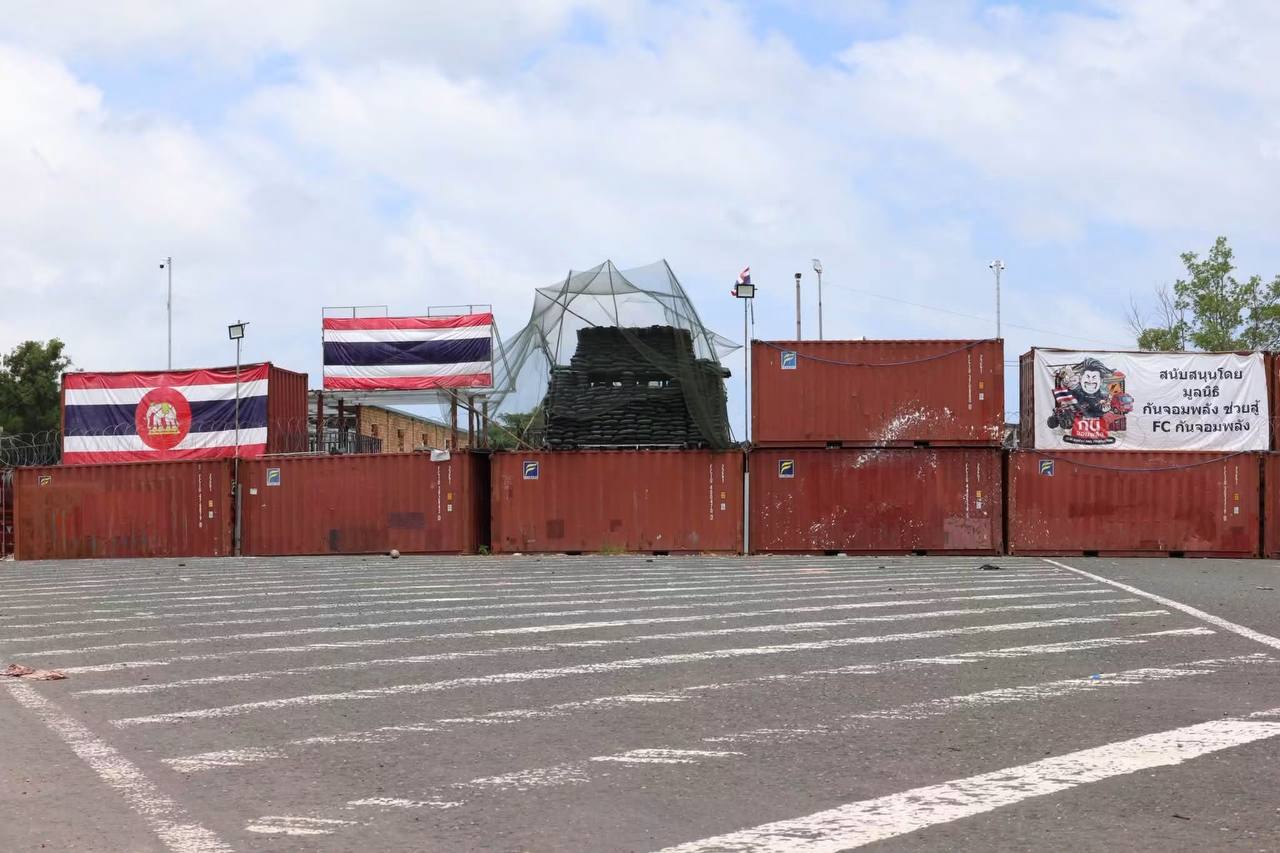
ប្រភព ៖ រដ្ឋមន្ត្រីក្រសួងព័ត៌មាន